
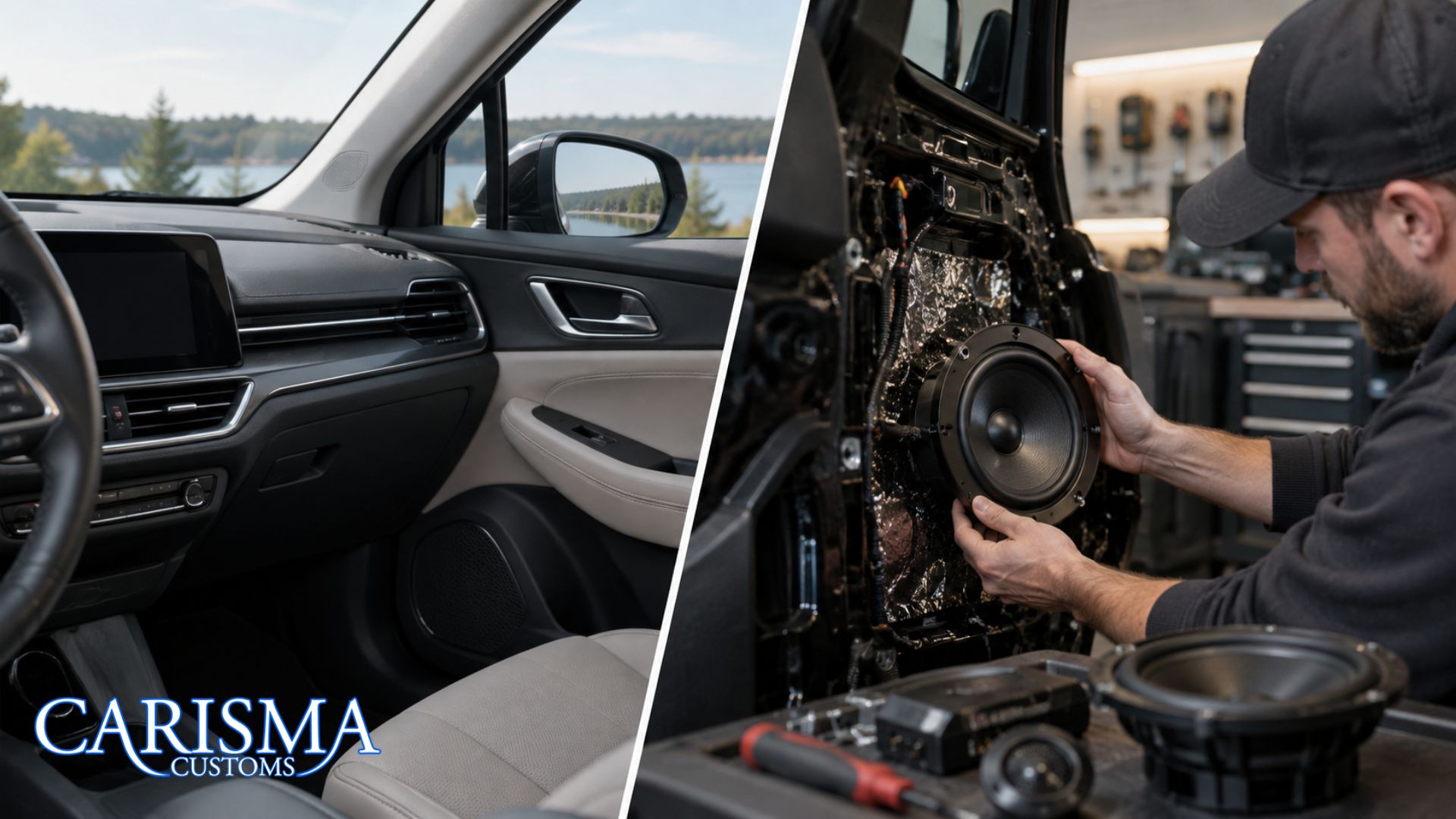
A factory sound system can be perfectly adequate when it already delivers the listening experience you expect, while car audio upgrades become worthwhile when you consistently notice missing clarity, shallow bass, limited output, weak soundstage, or a lack of control over the sound. Aftermarket equipment is not automatically the right answer for every vehicle.
Modern factory car audio varies considerably. One vehicle may come with a basic system designed primarily to provide acceptable everyday sound, while another may have a premium OEM package with additional speakers, dedicated amplification, and more sophisticated processing. Even two trims of the same model can provide noticeably different listening experiences.
That's why the starting point should be what you already hear rather than what you could buy. Is the system enjoyable at your normal volume? Does music retain its detail on the highway? Does the bass sound complete or thin? Are there specific characteristics you keep wishing you could change
Those questions matter more than simply deciding between factory and aftermarket car audio. An upgraded car audio system has the greatest value when it corrects something you actually notice and care about. When the factory setup already satisfies you, changing equipment simply for the sake of changing it may offer little practical benefit.
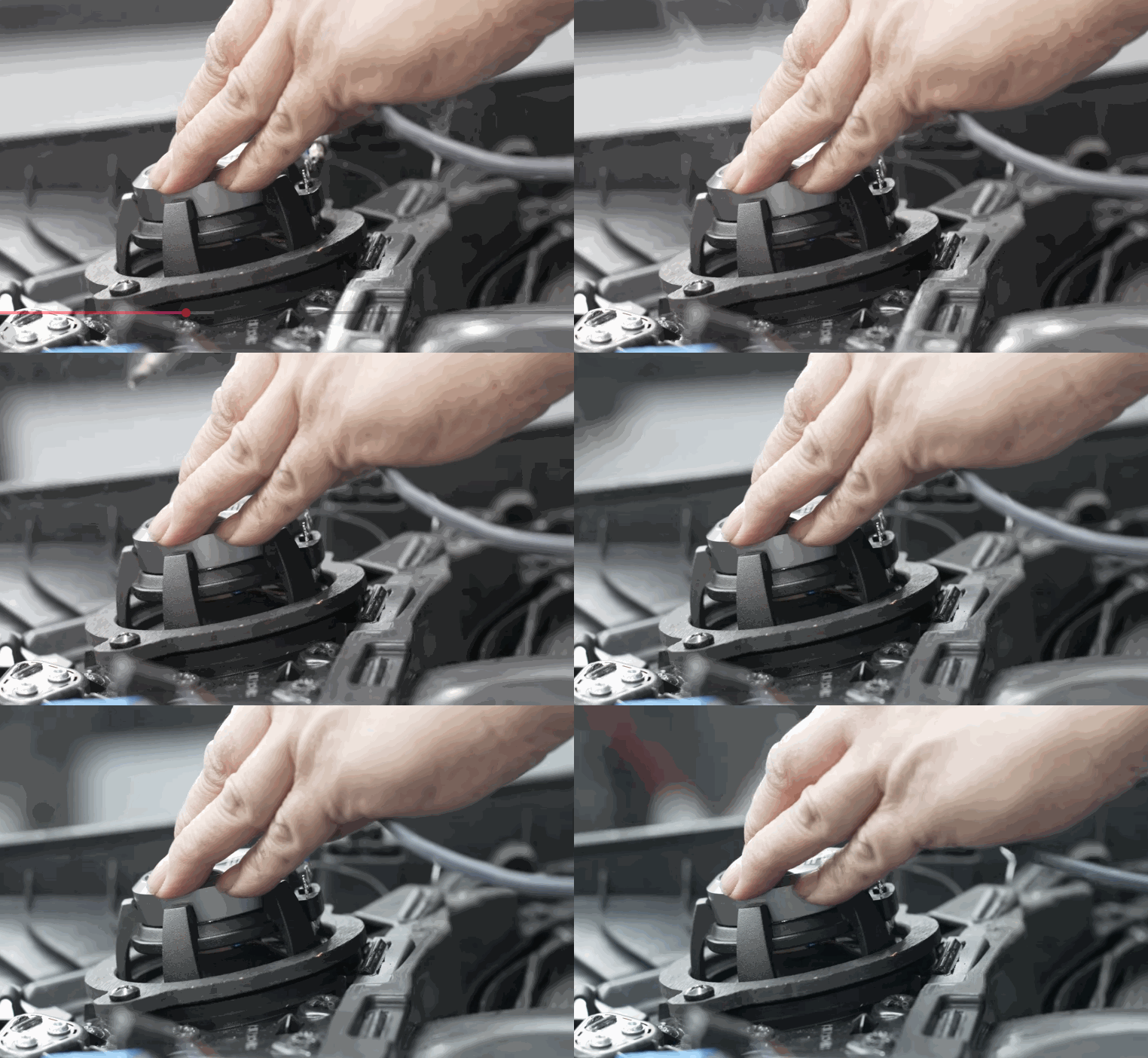 Factory sound systems generally do convenience and vehicle integration very well. They arrive engineered around the dashboard, infotainment interface, steering-wheel controls, interior packaging, and other factory electronics, so everything operates as one cohesive part of the vehicle from day one.
That integration has real value. Your factory stereo works naturally with the displays and controls you already use, while speakers are installed without sacrificing unexpected cargo or cabin space. There are also no additional decisions for the owner about equipment placement or how new electronics will communicate with the vehicle.
Some premium OEM audio systems can also provide genuinely satisfying everyday sound. Depending on the vehicle and trim, the factory equipment may already deliver enough clarity, output, and low-frequency response for the owner's listening habits. In those cases, replacing functional equipment simply because aftermarket alternatives exist isn't something we'd automatically recommend.
At Carisma Customs, we prefer to determine what is worth keeping before deciding what should change. Factory controls, infotainment features, and even certain factory speakers or other components may still have a useful role in the finished system. Preserving those strengths can make an upgrade feel more natural while concentrating the investment on limitations the driver can actually hear.
Factory systems usually begin to feel limiting when the owner expects more clarity, deeper low-frequency reproduction, stronger output, more convincing imaging, or greater control over the way music is presented. These factory audio limitations aren't identical from vehicle to vehicle, and trim level can make a substantial difference.
Automakers have to balance audio against many other priorities. Cost, vehicle weight, available mounting depth, interior packaging, electrical demands, speaker construction, and broad consumer preferences can all influence the final system. Factory tuning also needs to produce acceptable results for many different listeners rather than being tailored to one owner's preferences.
Common signs that those compromises are becoming noticeable include:
None of these symptoms automatically means every factory component needs to go. They simply indicate that car sound quality is reaching a limitation somewhere within the existing setup. Identifying that limitation is more useful than assuming the OEM speakers, power, or another single element must be responsible.
Moving from factory audio toward a custom sound system gives the owner considerably more control over how music is reproduced inside the vehicle. The point isn't necessarily to create louder audio. It's to make the listening experience fit your preferences instead of accepting one factory configuration designed for thousands of different drivers.
With custom car audio, tonal balance can be shaped around what you enjoy hearing. Some listeners value detailed vocals and a precise front soundstage. Others want stronger low-frequency authority or enough usable output to preserve energy and detail at higher listening levels.
A vehicle isn't naturally an ideal listening room. Speakers sit at different distances from the driver, reflective surfaces surround the cabin, and seating position is far from symmetrical. Greater tuning flexibility allows those realities to be considered instead of treating every speaker location equally.
An aftermarket sound system doesn't necessarily require stripping away the vehicle experience you already like. At Carisma Customs, audio system integration is a major part of custom system planning. Depending on the vehicle, important infotainment functions, controls, and factory interfaces can remain while the audio performance changes substantially.
That is where professional car audio installation becomes more than fitting new hardware. The finished system should feel integrated into the vehicle, both in how it sounds and how you interact with it every day.
No. Many vehicles can benefit from car audio upgrades without completely replacing the factory system. Useful OEM controls, infotainment features, and other original components can often remain while specific limitations are addressed elsewhere.
This is particularly relevant in newer vehicles, where the factory source unit may control much more than music. Displays, cameras, vehicle settings, warning sounds, steering-wheel functions, climate interfaces, and other features may be connected to the original infotainment architecture. In these cases, the ability to retain the factory radio can be both practical and desirable.
A partial car audio upgrade can therefore be designed around the existing vehicle rather than against it. Proper factory audio integration allows aftermarket equipment to work with selected original components while preserving the functions the owner still wants.
The appropriate scope depends on what needs to improve, how the vehicle's electronics are designed, and how much the owner wants to invest. One vehicle may require relatively limited changes to reach the desired result, while another may need more extensive OEM integration and modification.
The important distinction is that factory versus aftermarket doesn't have to be an all-or-nothing decision. A well-planned system can preserve what the manufacturer got right while changing the parts that are keeping the listening experience from being what you want.
Car audio upgrades provide the most value when you can hear and appreciate the improvement during the type of listening you do regularly. The real car audio upgrade value isn't determined by how expensive the equipment is. It comes from how much the finished system improves your everyday experience behind the wheel.
For someone who mainly keeps music or podcasts playing quietly in the background during short trips, a capable factory system may already be enough. There's nothing wrong with reaching that conclusion. Upgrading only makes sense when there's a meaningful gap between what the vehicle currently provides and what you want to hear.
The calculation changes for drivers who spend considerable time in their vehicles or pay close attention to music reproduction. Better definition, more controlled bass, greater dynamics, or a more convincing soundstage can become noticeable every time the vehicle is used. Ownership plans matter as well. Investing in professional car audio can make more sense when you intend to keep and enjoy the vehicle for years.
Music preferences and current system quality should also influence the decision. A basic factory setup has a different starting point than a premium OEM system that already performs well.
Price alone, however, doesn't guarantee a proportional sound quality upgrade. Expensive equipment installed poorly or left inadequately tuned can perform below its potential. The strongest value comes from matching the scope of the upgrade to the owner's expectations, then installing and tuning the system so the equipment can actually deliver what was purchased.
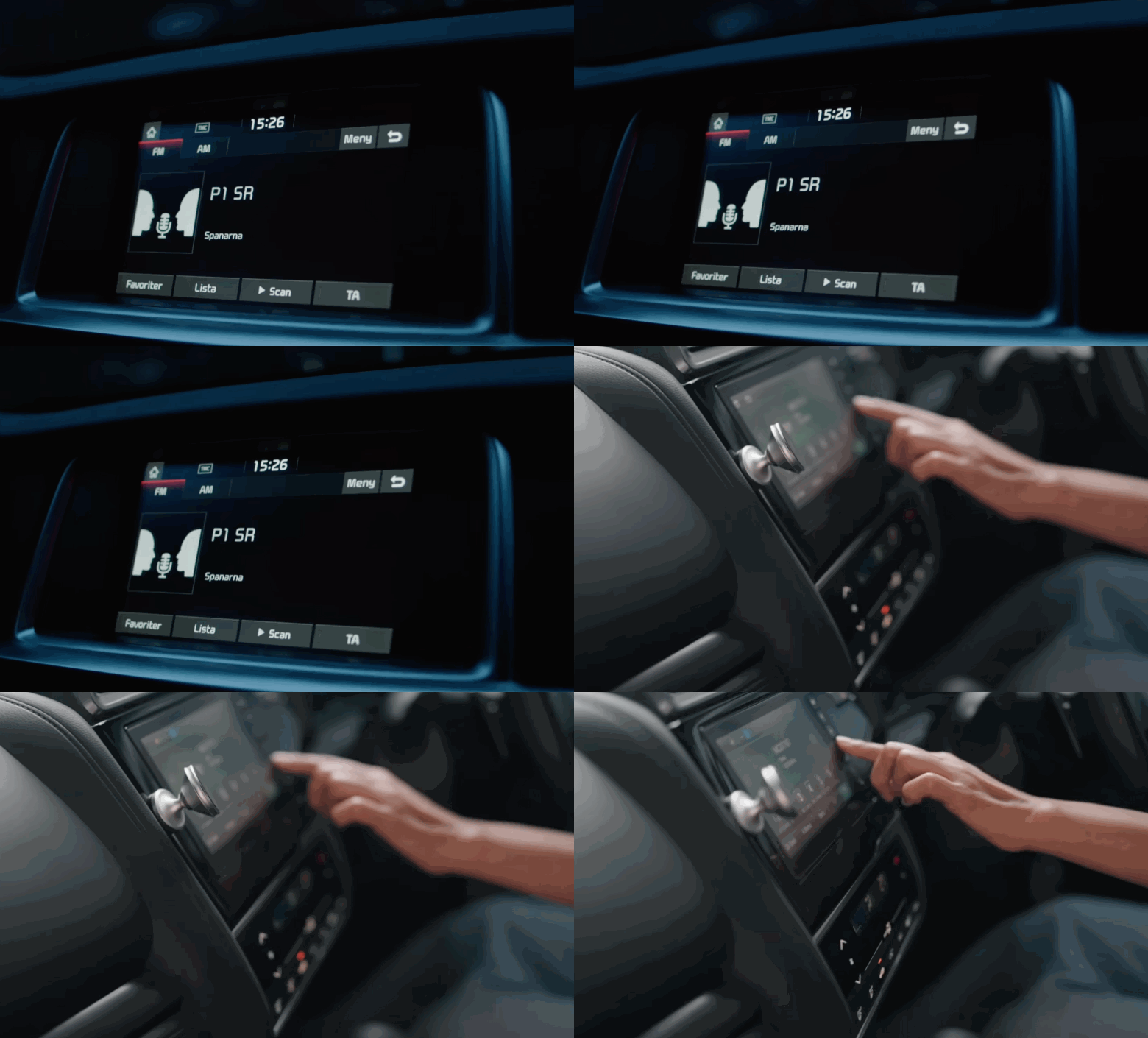 The difference between factory and upgraded audio can become more noticeable once road, tire, and wind noise begin competing with music during actual driving. A system that sounds balanced in a quiet parking space may lose detail surprisingly quickly once the vehicle reaches highway speed.
Around Delafield and Lake Country, that listening environment can change considerably within the same drive. Highway 16 introduces sustained higher-speed noise, while I-94 trips toward Waukesha or Milwaukee can add longer periods of tire, pavement, wind, and surrounding traffic noise.
Seasonal changes matter, too. Winter tires can produce a different noise profile than warm-weather tires, and changing pavement surfaces can emphasize different frequencies inside the cabin. Those sounds interact with the vehicle interior, which means vehicle acoustics are never completely separated from driving conditions.
This is one reason simply turning up the volume isn't always an effective solution. Higher volume may increase overall output without restoring the detail or balance being masked by road noise.
At Carisma Customs, we think car audio performance should make sense under the conditions where the system will actually be heard. For Southeast Wisconsin drivers, evaluating driving sound quality means considering highway speeds, seasonal tire changes, regional commutes, and the cabin itself rather than judging audio exclusively while the vehicle is parked.
Keep the factory sound system when it already satisfies your listening expectations, and consider car audio upgrades when specific shortcomings repeatedly interfere with your enjoyment. The decision becomes much easier when you evaluate your actual experience instead of comparing equipment specifications.
A practical way to make that decision is to ask:
There doesn't need to be a permanent choice between factory and aftermarket. A sound system can often evolve gradually as expectations change. The right scope of car audio upgrades ultimately depends on the vehicle, its existing equipment, and the person listening to it.
The most worthwhile audio investment solves limitations you can actually hear and care about. A factory sound system doesn't need to be replaced simply because aftermarket equipment exists, and a well-equipped OEM system may continue to be the right choice for many owners.
When something does feel missing, identifying the cause before buying equipment can save both money and frustration. Weak clarity might originate from the speakers, but it could also involve available power, factory processing, tuning, installation locations, or the acoustics of the vehicle itself. Guessing can lead to replacing perfectly useful components while leaving the real limitation untouched.
That's where a professional evaluation becomes valuable. At Carisma Customs, we can listen to what your vehicle already does well, identify where it falls short, and recommend changes around the results you want rather than pushing unnecessary equipment.
Contact Carisma Customs for factory audio evaluation, car audio upgrades, custom sound system design, tuning, and professional installation in Delafield and throughout Southeast Wisconsin. Whether you need a focused improvement or a more complete transformation, we'll help you build around what matters to you and keep what already works.