
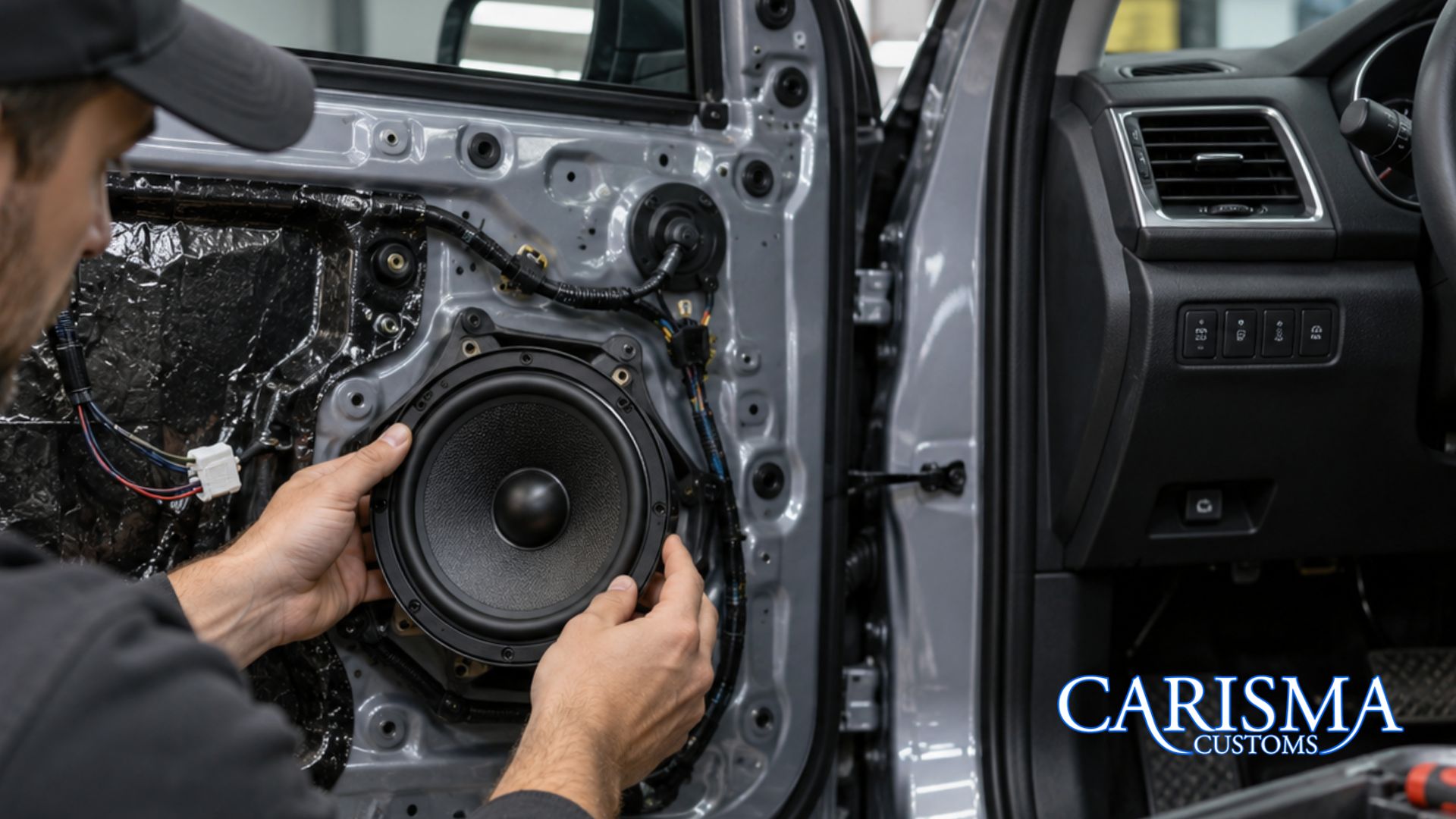
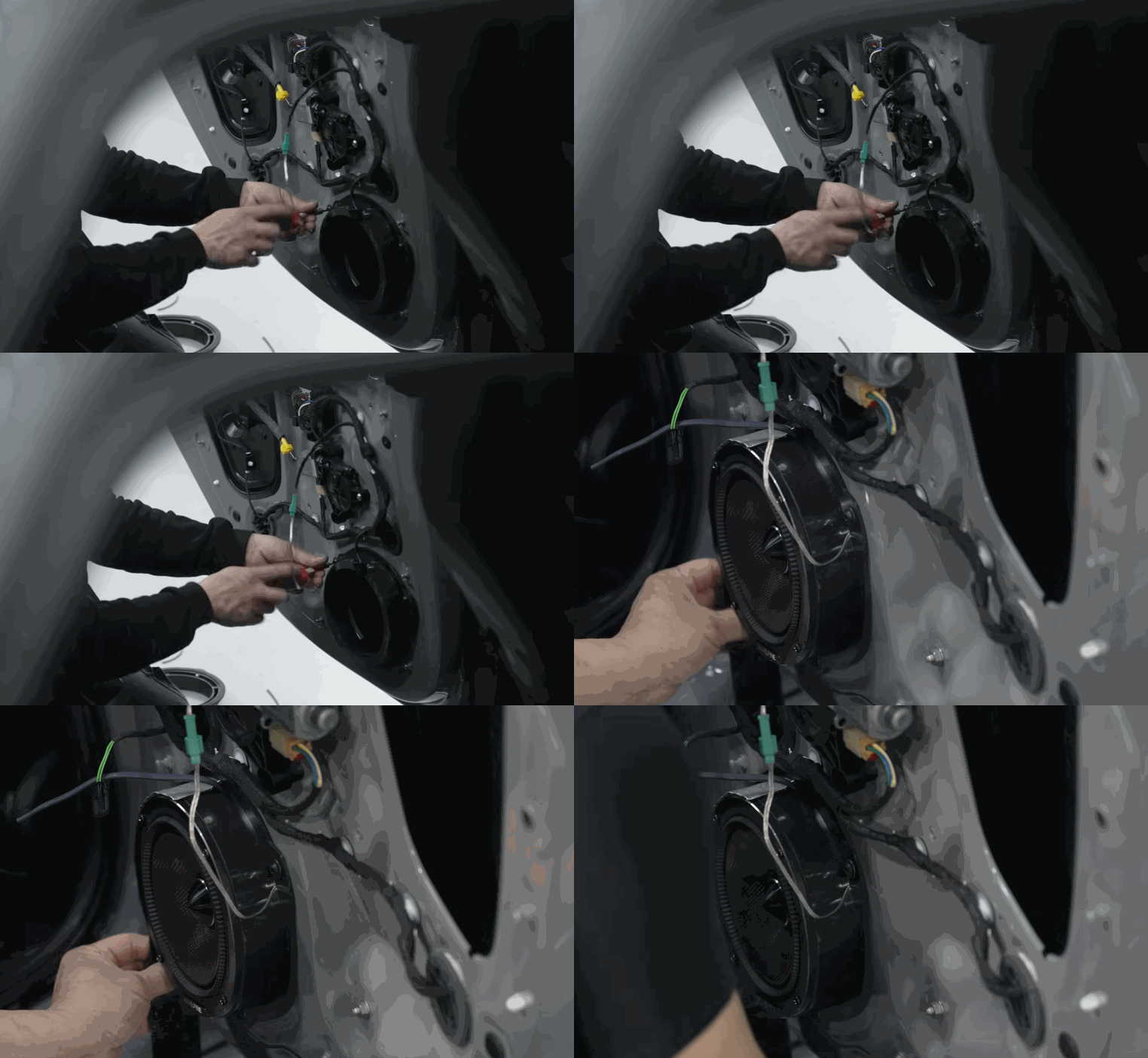
 The best first car audio upgrade depends on the weakest part of your existing system. Speakers can improve clarity and detail, an amplifier can provide cleaner and more controlled power, a DSP can correct how sound behaves inside the vehicle, and a subwoofer can restore low-frequency depth that factory systems often lack.
That doesn't mean you need all four. One of the easiest ways to overspend on aftermarket car audio is to start replacing components before determining whether they're actually responsible for what you dislike about the sound.
We prefer to look at the complete car audio system first. The vehicle itself, factory equipment, listening preferences, available installation space, and long-term plans all influence where an upgrade should begin. Someone looking for more natural vocals needs a different starting point than a driver who's happy with clarity but disappointed by bass response.
At Carisma Customs, we also consider what may happen next. Even when you're starting with a single car audio upgrade, choosing equipment that leaves room for future expansion can prevent unnecessary replacement later. The objective isn't to install the most equipment. It's to make the change that produces the most meaningful improvement in sound quality for the way you actually listen.
Before choosing any equipment, identify exactly what you dislike about the sound you're hearing now. A proper car audio evaluation connects the symptom to its likely cause rather than assuming a popular upgrade will automatically solve it.
Different complaints point us in different directions:
At Carisma Customs, we prefer listening to the existing system and talking with the owner before recommending parts. That gives us a better picture of current audio system performance and what the driver actually wants to change.
This diagnostic approach also keeps a sound quality upgrade focused. There's little value in adding equipment that performs impressively on paper if it doesn't address the reason you wanted better audio in the first place.
Better speakers are often the right starting point when a factory car audio system lacks clarity, detail, and accurate sound reproduction. Because speakers are responsible for turning the electrical signal into the sound you actually hear, their limitations can become obvious even when the rest of the system remains usable.
A quality car speaker upgrade can make vocals easier to distinguish, reveal details that previously blended together, and give instruments more natural separation. The improvement doesn't need to come from playing music louder. Often, the biggest difference is how much better the system sounds at the same volume you were already using.
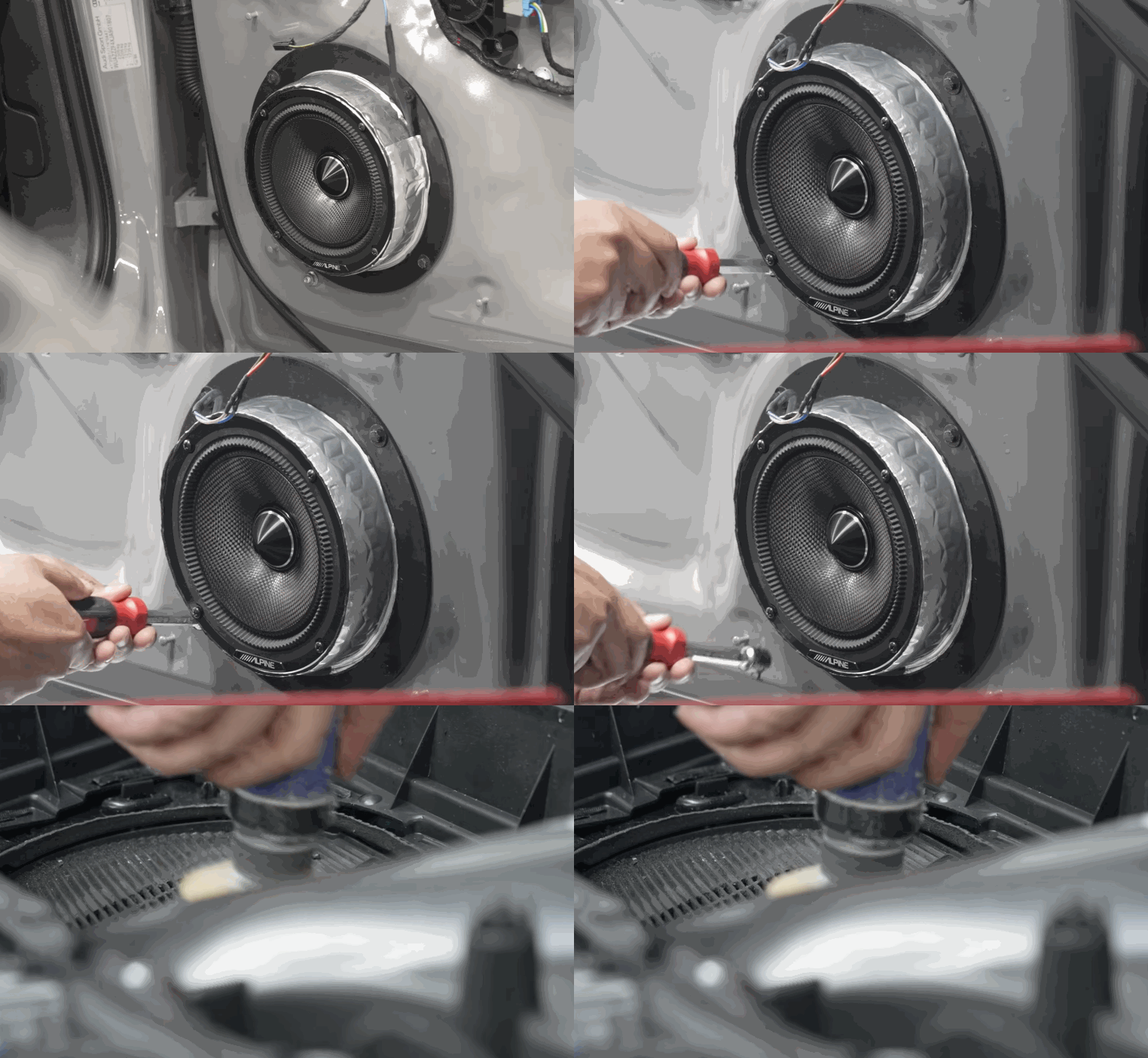
Speaker location matters, too. A great speaker installed in an unsuitable location or without proper mounting can leave considerable performance unused. The available power also needs to be considered because some aftermarket speakers perform best when paired with amplification rather than relying entirely on factory output.
There is one important limitation: new car audio speakers cannot correct every problem upstream. If weak amplification, aggressive factory processing, or poor tuning is the real bottleneck, replacing the speakers alone may produce less improvement than expected. That's why speaker selection should still be made in the context of the entire system.
An amplifier becomes a priority when the speakers need cleaner, more consistent power to perform the way they were designed to. The purpose of a car amplifier isn't simply to make everything louder. Proper amplification gives the system greater control and allows music to retain its character across a wider listening range.
Clean power helps speakers respond more accurately. Bass can feel tighter, vocals remain composed, and complex passages are less likely to turn into an indistinct wall of sound.
Music isn't recorded at one constant intensity. Proper amplification gives quiet and energetic passages room to breathe, making the system feel more lively without requiring extreme volume.
Good amplified car audio should also sound better when you're not pushing it hard. That's an important distinction because most drivers spend far more time listening at comfortable levels than demonstrating how loud their system can get.
An amplifier upgrade should always be matched to the speakers, electrical requirements, and goals of the complete car audio system. More wattage isn't automatically better. Appropriate, controlled power is what makes amplification useful.
A digital signal processor, or DSP, can make a major difference when a car audio system needs better control over frequency response, speaker timing, crossovers, and overall balance. Rather than producing sound itself, a DSP gives the installer much finer control over how the rest of the equipment works together.
One useful way to think about DSP car audio is as correction and coordination. Speakers sit at different distances from the driver, cabin materials reflect sound, and factory systems may alter the original audio signal before it ever reaches aftermarket equipment. Those factors can make quality components sound less cohesive than expected.
A digital signal processor gives us tools to address those problems:
Factory processing deserves particular attention. Some modern vehicles intentionally modify the signal sent to factory speakers. Adding aftermarket equipment without understanding those changes can limit the final result, even when the new components are excellent.
At Carisma Customs, we view the DSP as a tool rather than an automatic solution. Its real value comes from professional car audio tuning after installation. Careful configuration and sound optimization are what allow a DSP to transform separate components into a system that feels coherent, balanced, and genuinely tailored to the vehicle.
A subwoofer is the logical car audio upgrade when your existing system lacks low-frequency depth and smaller speakers are being asked to reproduce bass they cannot handle efficiently. A properly integrated car subwoofer should complete the sound rather than dominate everything else you hear.
Bass gives music weight and dimension. Without adequate low-frequency reproduction, a system can sound thin even when the speakers reproduce vocals and higher frequencies accurately. A dedicated subwoofer fills in that missing range, allowing kick drums, bass guitars, and electronic bass to sound more natural.
Adding a subwoofer can also change what we ask the other speakers to do. Instead of forcing smaller door speakers to reproduce frequencies they struggle with, properly configured crossovers can direct lower bass toward the subwoofer. That can contribute to cleaner, more controlled performance throughout the car audio system.
A bass upgrade doesn't automatically mean giving up a large portion of your trunk or cargo area. Compact powered subwoofers and carefully designed enclosures can add useful low-frequency performance while preserving space. Drivers looking for greater output or deeper extension may benefit from a larger enclosure and more dedicated amplification.
The right subwoofer installation depends on the vehicle, available space, listening preferences, and the rest of the equipment already installed. For us, successful balanced car audio means hearing the bass as part of the music, not having it overpower every other frequency.
 Southeast Wisconsin driving conditions can make clarity and system balance particularly important because road noise can mask parts of the audio spectrum once the vehicle is moving. A system that sounds detailed while parked in Delafield can present a very different listening experience at highway speed.
This becomes relevant during regular travel around Lake Country and Waukesha or on longer drives toward Milwaukee. At speed on I-94 or Highway 16, tire and wind noise create a constant acoustic background. Changes in pavement can alter that noise again, sometimes within the same trip.
Winter introduces another variable. Seasonal tires with more aggressive tread can increase cabin noise compared with quieter warm-weather setups. That doesn't necessarily mean the solution is more volume. Increasing volume can make an already unbalanced system louder without recovering the frequencies that road noise is masking.
This is where vehicle acoustics become more important than specifications alone. The system needs to deliver usable clarity in the environment where you actually listen to it.
For that reason, a car audio system shouldn't be judged exclusively while the vehicle is stationary. Better car sound quality means maintaining useful detail and balance under realistic Southeast Wisconsin driving conditions, whether you're making a short trip around Delafield or spending considerably more time on regional highways.
Choose your first car audio upgrade according to the specific weakness you want to correct: speakers for clarity, an amplifier for clean power, DSP for control and tuning, or a subwoofer for missing bass. There isn't a universal component that every vehicle needs first.
A practical priority order looks like this:
These choices aren't mutually exclusive. A factory system may have several limitations, and a complete upgrade path could eventually include all four. The important part is determining the order so each investment builds on the previous one.
At Carisma Customs, we'd rather develop an upgrade sequence around your vehicle and expectations than recommend a collection of components simply because they're popular. That approach makes it possible to start where the audible improvement should be greatest while creating a foundation for whatever you may want to add later.
The best upgrade path addresses the biggest weakness in your current car audio system first while leaving room for future improvements. Speakers, amplifiers, DSPs, and subwoofers each solve different problems, so treating them as interchangeable upgrades can lead to unnecessary spending without delivering the sound you expected.
A driver dealing with muddy vocals shouldn't automatically start by adding bass. Likewise, a system with quality speakers may benefit more from clean amplification or careful tuning than another speaker replacement. Identifying that distinction is what turns individual parts into a purposeful system.
Professional planning also helps prevent compatibility problems. Power requirements, factory integration, speaker specifications, signal processing, installation space, and future expansion should be considered before equipment is purchased, not after everything is already in the vehicle.
At Carisma Customs, we build car audio upgrades around what you actually want to hear differently. Whether your system needs one focused improvement or you're planning a complete transformation, we can evaluate the current setup and develop an upgrade path that makes sense for your vehicle, listening habits, and budget.
Contact Carisma Customs for car audio system evaluation, professional tuning, and car audio installation in Delafield and throughout Southeast Wisconsin. We'll help you invest in the upgrades that matter most and build better sound in the right order.