
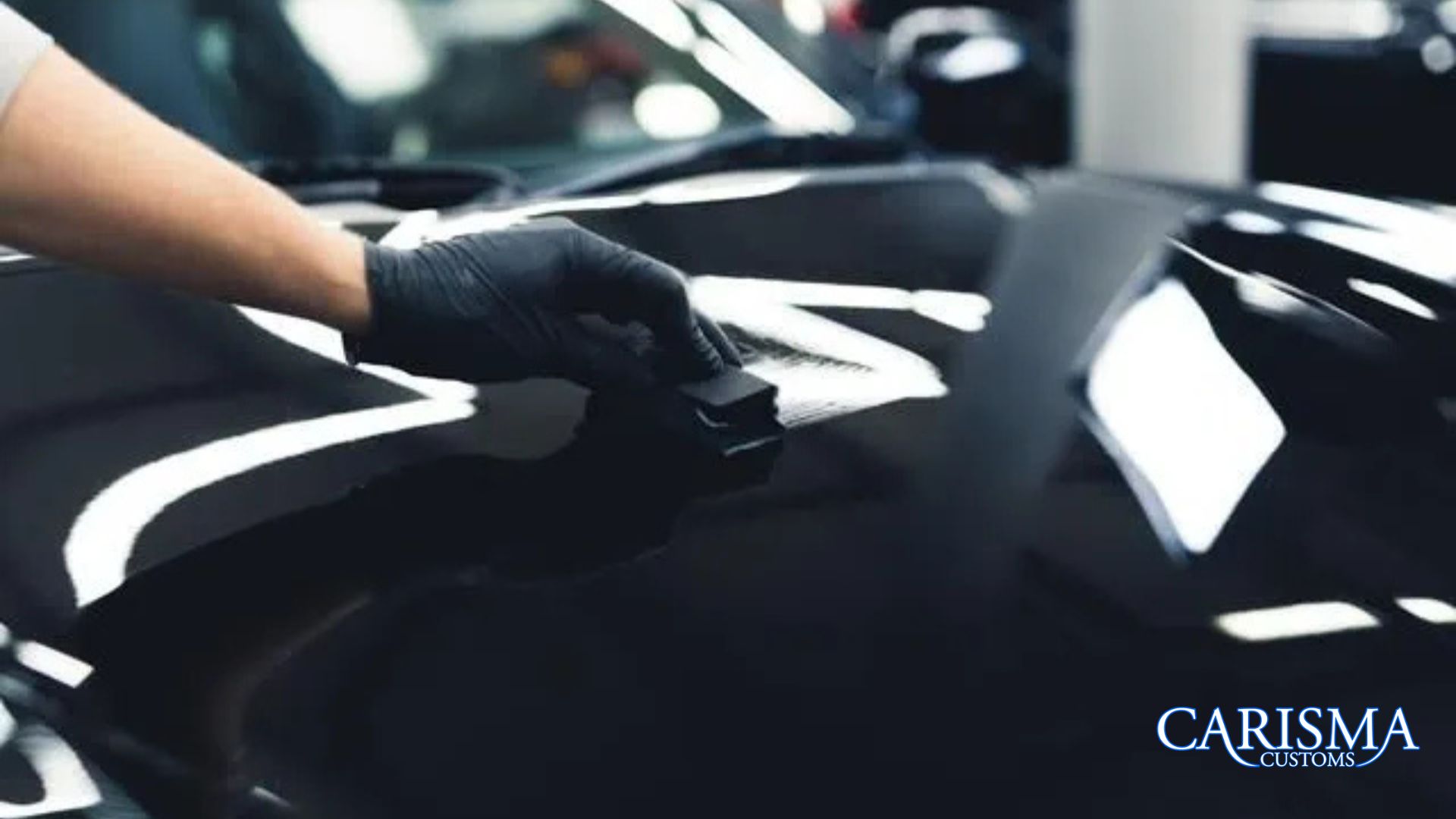
 One of the most common things we hear from vehicle owners is the idea that ceramic coating is a “one-and-done” solution. Apply it once, and the car is protected indefinitely. It’s an understandable assumption, especially with how often ceramic coating is marketed as a long-term protection option. But from our experience, both as installers and as car owners ourselves, the reality is a bit more nuanced.
The performance of ceramic coating is not just about the product itself, it’s heavily influenced by the environment your vehicle is exposed to. A car that’s driven occasionally and stored indoors will experience very different results compared to one that’s on the road daily, exposed to changing weather and road conditions. That’s where expectations need to be aligned with real-world use.
In Wisconsin, those conditions can be especially demanding. Seasonal shifts bring everything from road salt and slush in winter to intense UV exposure and humidity in summer. Daily driving, whether around Milwaukee, Madison, or through suburban and rural areas, adds another layer of exposure that gradually affects how the coating behaves over time. All of this plays a role in how long ceramic coating maintains its performance.
From our perspective at Carisma Customs, ceramic coating is absolutely a valuable part of long-term vehicle protection. We use it on our own vehicles because we’ve seen what it can do when it’s properly applied and maintained. But we also approach it with a realistic mindset, understanding that preserving that performance over time requires attention, not just application.
At its core, ceramic coating is a liquid polymer that bonds to your vehicle’s paint and creates a protective layer on the surface. This isn’t a temporary layer that sits on top like wax, it chemically adheres to the clear coat, becoming part of the vehicle’s finish. That bond is what allows it to provide consistent surface protection over time.
One of the main benefits of ceramic coating is its hydrophobic properties. Water doesn’t sit on the surface the same way it would on unprotected paint. Instead, it beads up and rolls off more easily, carrying dirt and contaminants with it. That behavior helps maintain a cleaner surface and makes routine washing more efficient.
However, it’s important to keep expectations grounded. Ceramic coating enhances paint protection, but it doesn’t make your vehicle immune to damage. It won’t stop rock chips or deep scratches, and it doesn’t replace physical protection methods. What it does is help reduce the impact of environmental contaminants, making your vehicle easier to maintain and preserving its overall appearance.
To understand its role clearly, here’s what ceramic coating is designed to do:
When approached correctly, ceramic coating becomes part of a broader strategy for vehicle care. It’s not about eliminating all risk, it’s about managing it more effectively over time.
Living in Wisconsin means your vehicle is constantly adapting to changing conditions. Winter introduces some of the harshest elements your paint will face. Road salt, slush, and freezing temperatures don’t just sit on the surface, they repeatedly interact with it as you drive, especially on highways and during daily commutes.
As the seasons change, so do the challenges. Summer brings strong UV exposure, heat, and humidity, all of which can influence how a ceramic coating performs over time. Prolonged sun exposure can gradually affect surface properties, while humidity can contribute to the buildup of contaminants if the vehicle isn’t maintained consistently.
Across areas like Milwaukee, Madison, and surrounding suburban regions, most vehicles are exposed to a combination of city driving, highway speeds, and varying road conditions. That mix increases the frequency of exposure to environmental factors that slowly wear down protective layers, even high-quality ones.
Some of the key factors we consider when evaluating coating performance in Wisconsin include:
Over time, these conditions don’t necessarily “fail” a coating, but they do gradually reduce its effectiveness. That’s why climate plays such an important role in how ceramic coating performs in the long run.
The short answer is yes, but not as frequently as many people assume. Ceramic coating is designed to last, but it isn’t permanent. Over time, exposure to environmental conditions and regular use will gradually wear down its performance. The key is understanding how that process happens and what it means for your vehicle.
In our experience, ceramic coating doesn’t suddenly stop working. Instead, it slowly loses some of its characteristics, especially its hydrophobic behavior. Water may not bead as aggressively, and contaminants may not release as easily as they did right after the initial ceramic coating application. That shift is usually gradual, not immediate.
Longevity can vary quite a bit depending on how the vehicle is used. Factors like daily driving, outdoor parking, and exposure to Wisconsin’s seasonal conditions all play a role. Maintenance is just as important. Regular washing and proper care help preserve the coating’s performance, while neglect can accelerate its decline.
From a practical standpoint, it’s better to think of ceramic coating as something that benefits from periodic evaluation rather than a one-time application. Over time, you may reach a point where reapplication makes sense to restore its full performance. That decision isn’t based on a fixed timeline, but on how the coating is behaving on your specific vehicle.
Ceramic coating tends to change gradually, which is why understanding the signs of reduced performance is important. The most noticeable indicator is how the surface interacts with water. When the coating is performing well, water beads up tightly and moves quickly across the surface. As performance declines, that behavior becomes less consistent.
You may start to notice that water spreads more than it used to or takes longer to run off the surface. That’s often one of the first indicators that the coating’s hydrophobic properties are diminishing. It doesn’t necessarily mean the coating is gone, but it does signal that it’s no longer performing at its peak.
Another factor is how easily contaminants release from the surface. Over time, buildup can interfere with surface performance, especially if the vehicle is exposed to road salt, dirt, and environmental residue. This is where coating maintenance becomes important, as proper cleaning can restore some of that behavior.
Some common indicators we look for include:
Recognizing these changes early helps you make informed decisions about maintenance or reapplication. Ceramic coating is designed to support long-term paint protection, but like any protective layer, its performance evolves over time depending on how it’s used and maintained.
When we talk about ceramic coating over time, one of the biggest points of confusion is the difference between maintaining the coating and fully reapplying it. They’re not the same thing, and understanding that distinction can make a big difference in how you care for your vehicle.
Maintenance is about preserving what’s already there. A properly maintained coating can continue performing well for a long time, especially when it’s cleaned and treated correctly. Over time, contaminants like road salt, minerals, and dirt can sit on the surface and affect how the coating behaves. That doesn’t mean the coating has failed, it often just needs proper care to restore performance.
There are a few key maintenance steps that help extend coating performance:
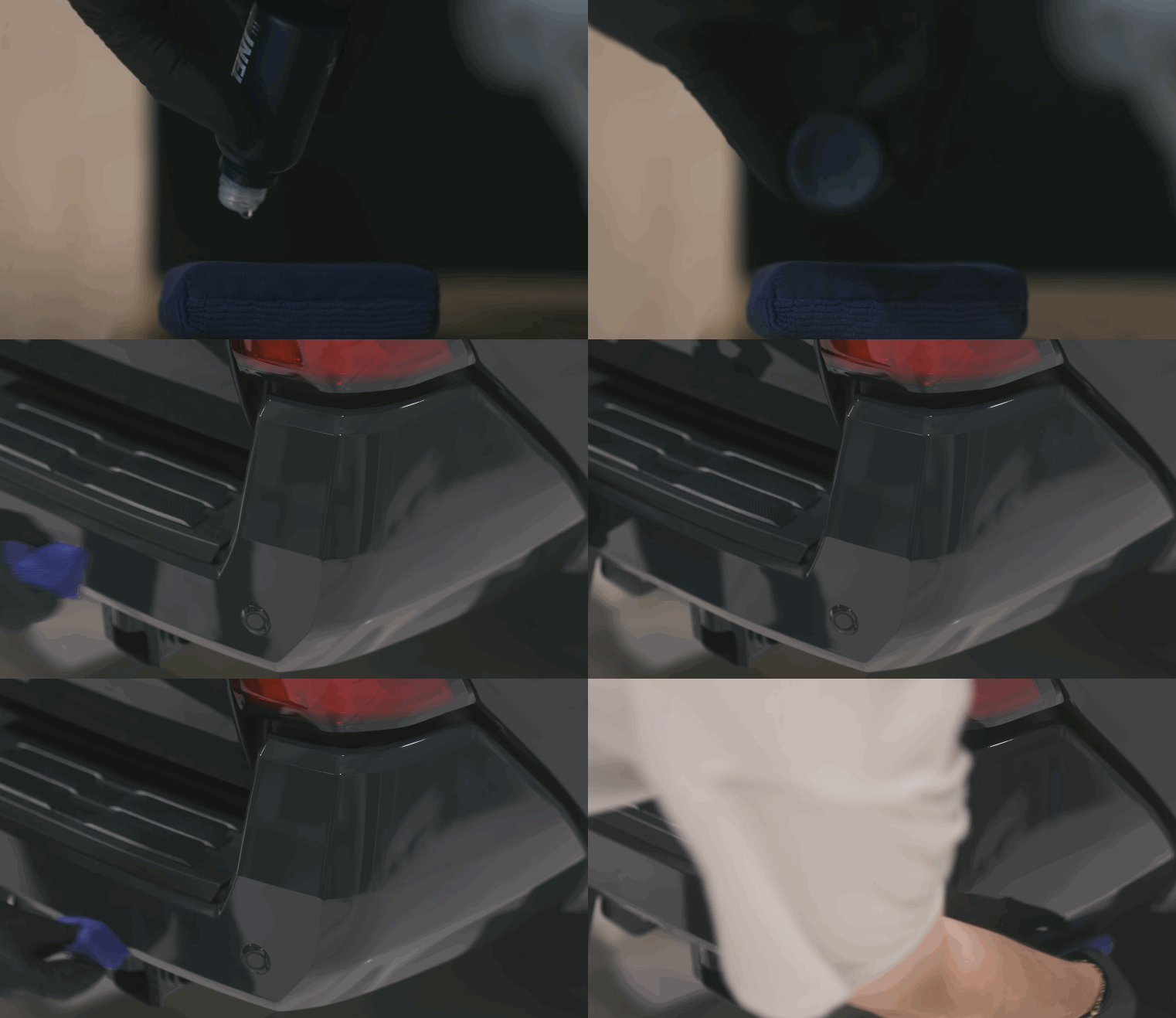
Reapplication, on the other hand, is a more involved process. When a coating has reached the end of its effective lifespan, restoring performance usually requires a new ceramic coating application. That often includes surface preparation and, in some cases, light paint correction to ensure proper bonding. The key difference is that maintenance preserves performance, while reapplication resets it.
At Carisma Customs, we approach ceramic coating with a focus on long-term results rather than quick applications. From our experience, the performance of a coating is directly tied to the preparation that happens before it’s applied. That’s why we take a consultation-first approach, understanding how each vehicle is used and what the owner expects from the coating.
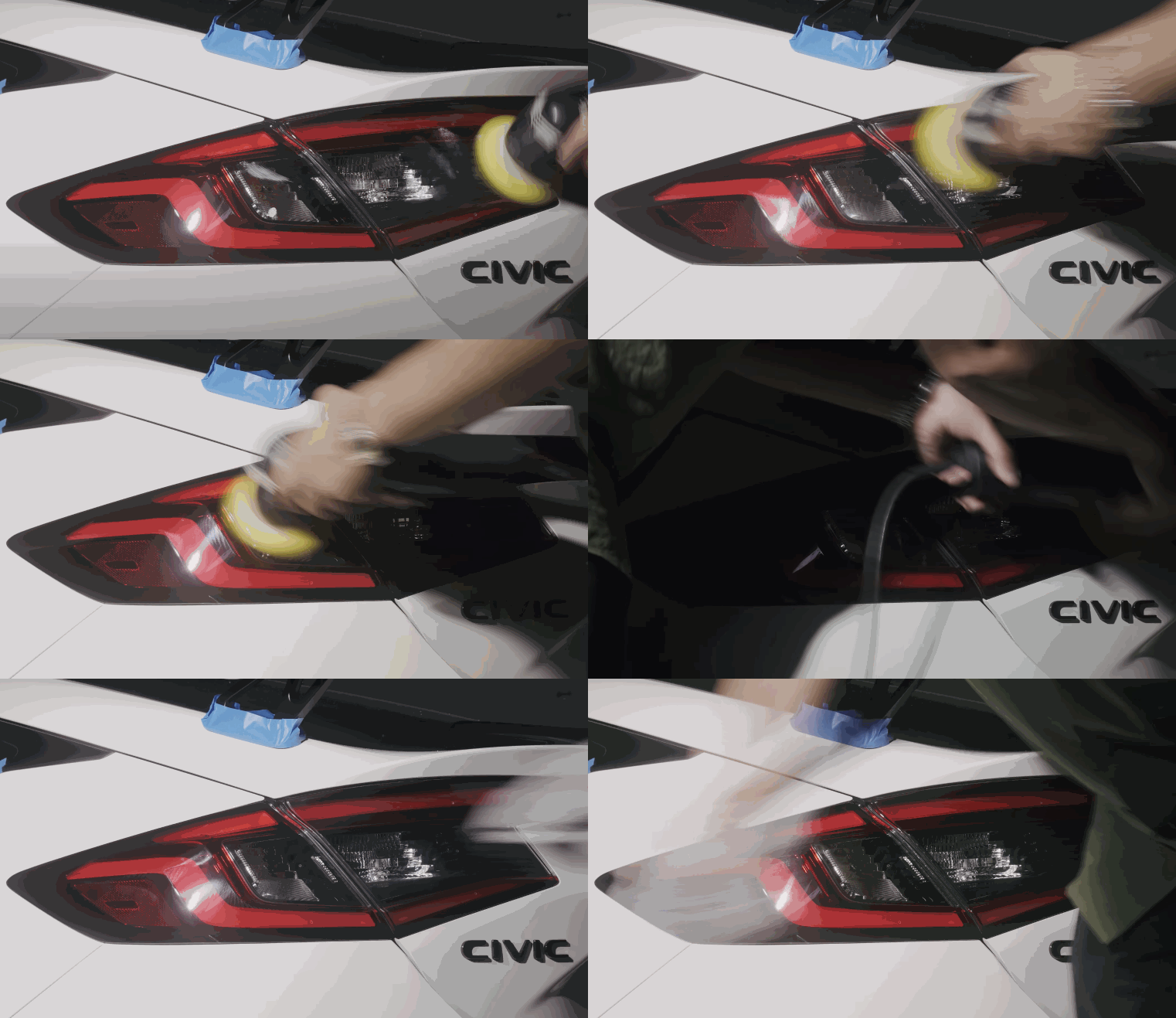
Preparation is where everything starts. Before any ceramic coating application, the vehicle needs to be properly cleaned, decontaminated, and evaluated. If the paint has imperfections, addressing them through paint correction ensures that the coating bonds to a properly prepared surface. Skipping that step can impact both appearance and durability.
Our process is built around a few core principles:
As a Wisconsin-based team, we understand the conditions vehicles are exposed to throughout the year. That experience shapes how we approach ceramic coating, not as a quick upgrade, but as part of a broader strategy for protecting your vehicle over time.
 With everything we’ve discussed, a common question is whether ceramic coating is still worth it in a climate like Wisconsin. From our perspective, the answer is yes, but with the right expectations. Ceramic coating isn’t about making your vehicle immune to the environment, it’s about making it easier to manage.
One of the biggest advantages is how it simplifies maintenance. When the coating is performing well, water, dirt, and contaminants are less likely to stick to the surface. That makes washing more efficient and helps maintain a cleaner appearance between washes, even with regular driving.
It’s also important to think about ceramic coating as part of long-term vehicle care. It helps preserve the finish, supports paint protection, and reduces the need for frequent correction. But it’s not a replacement for good maintenance habits or other forms of protection.
At Carisma Customs, we often frame ceramic coating as a practical investment rather than a perfect solution. For Wisconsin drivers dealing with seasonal changes and varied road conditions, having that additional layer of surface protection can make a noticeable difference in how the vehicle holds up over time.
Ceramic coating is designed to provide long-term surface protection, but like anything exposed to the elements, its performance evolves over time. In Wisconsin, where vehicles experience everything from winter road salt to summer heat, it’s normal for a coating to gradually lose some of its effectiveness.
The key is understanding that maintenance plays a major role in how long ceramic coating continues to perform. Regular care can extend its lifespan, while periodic evaluation helps determine when reapplication might be needed. When approached correctly, ceramic coating remains a reliable way to support long-term paint protection.
Proper ceramic coating application is just as important as maintenance. The quality of the initial process affects how well the coating performs over time, which is why working with an experienced team matters. At Carisma Customs, we focus on both preparation and long-term performance, helping ensure your coating delivers consistent results.
If you’re considering ceramic coating or want to understand how to maintain your current coating, our team is here to help. Contact Carisma Customs today to talk about ceramic coating and ceramic coating application options for your vehicle in Wisconsin.