
 If you drive in Wisconsin long enough, winter becomes less about snowstorms and more about what’s left behind on the roads. From major highways like I-94 and I-43 to neighborhood streets and rural backroads, road salt is a constant part of winter driving here. It is applied early, reapplied often, and stays on the pavement for months due to prolonged cold temperatures and repeated freeze-thaw cycles.
That reality is why paint protection matters more in Wisconsin than in many other states. Vehicles here are exposed to salt, slush, moisture, and grime not just during storms, but on dry winter days when residue continues to circulate. Over time, that exposure adds up. From our own experience working on vehicles that see daily winter use, unprotected paint simply does not age the same way in this climate.
In this article, we want to break down what Ceramic Coating actually does in real ownership conditions, specifically when it comes to Wisconsin road salt. We will explain how it helps, where its limits are, and why proper ceramic coating application matters if you expect consistent protection through long winters.
We are writing this from the perspective of a team that installs, maintains, and personally uses Ceramic Coating on vehicles that live through Wisconsin winters every year. At Carisma Customs, this is not theory, it is something we see play out on real vehicles season after season.
Road salt is designed to lower the freezing point of water, which makes winter roads safer. The problem is that the same chemical reaction that melts ice is also extremely aggressive on automotive surfaces.
When salt mixes with moisture, slush, and road grime, it creates a highly corrosive residue that clings to paint, trim, and lower panels. In Wisconsin, where temperatures often hover around freezing, that residue does not fully dry or rinse away on its own. Instead, it stays active.
Over time, this leads to two very different types of damage:
Many drivers focus only on what they can see. Chips, discoloration, or rough texture usually get attention. What often goes unnoticed is the gradual breakdown happening beneath the surface, especially along lower doors, rocker panels, and behind the wheels where salt exposure is highest.
Daily winter commutes, highway driving between cities, and extended cold seasons mean Wisconsin vehicles are exposed far longer than those in milder climates. That extended exposure is what accelerates wear, even on newer vehicles.
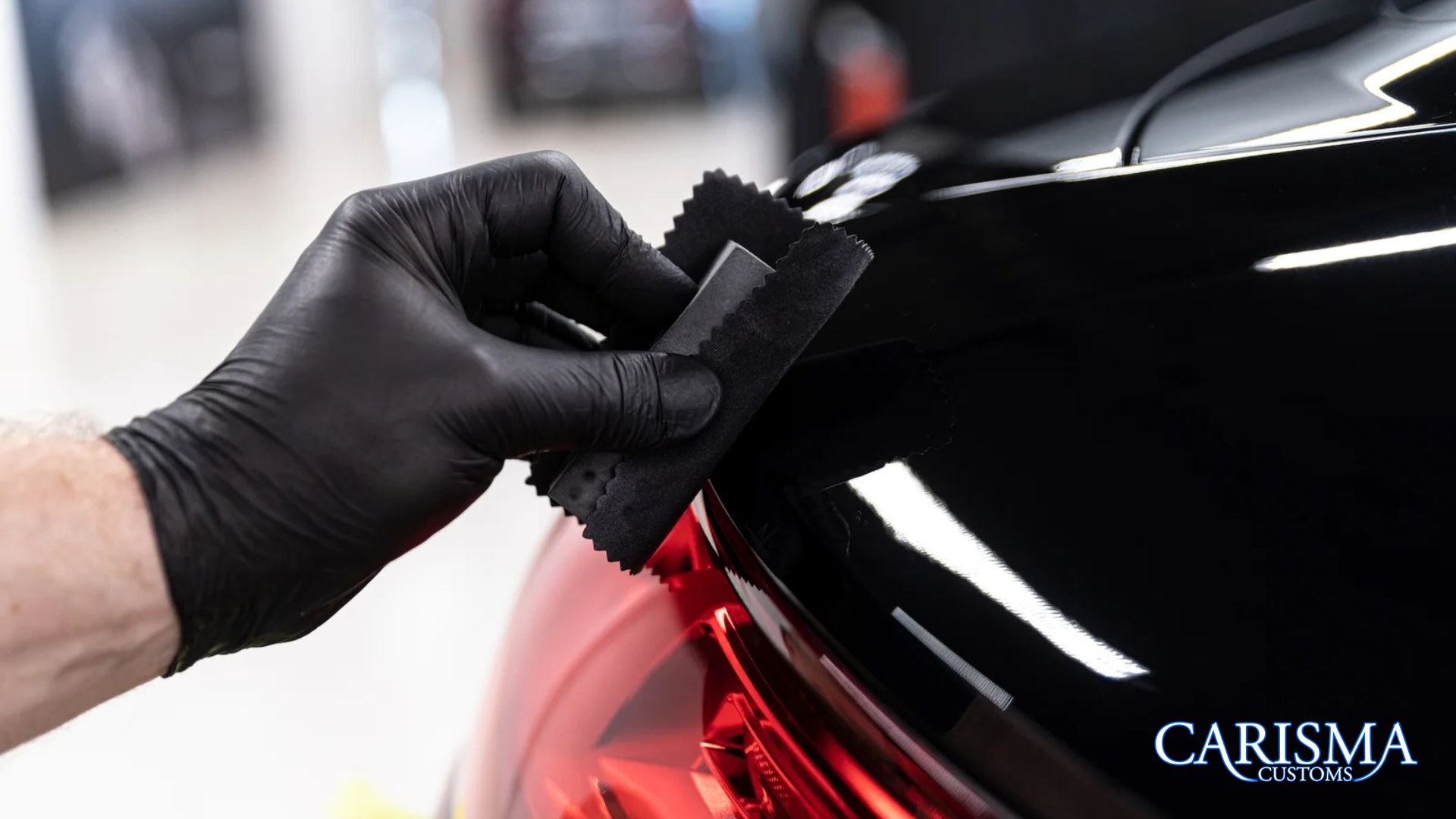
Ceramic Coating is best understood as a protective layer that bonds to your vehicle’s clear coat, creating a hardened surface designed to resist contamination and environmental stress. It is not a cosmetic upgrade. It is a functional layer meant to support long-term paint condition.
A professional ceramic coating application works by sealing microscopic pores in the clear coat. Once cured, the surface becomes:
That said, Ceramic Coating is not permanent, and it is not invincible. It will not prevent rock chips, and it does not eliminate the need for maintenance. What it does is reduce how aggressively contaminants like road salt bond to the paint, which directly affects how much damage occurs over time.
One of the most common misconceptions we see is the idea that Ceramic Coating means you can ignore winter care altogether. That is not realistic, especially in Wisconsin. Ceramic Coating is a protective tool, not a force field. Its value comes from how it works together with proper washing and seasonal care.
When it comes to winter driving, Ceramic Coating helps most by changing how road salt interacts with the vehicle’s surface. Instead of bonding directly to the clear coat, salt residue sits on top of the coating, making it easier to remove during washes.
The hydrophobic properties play a major role here. Slush and salt-heavy moisture are less likely to cling, which means:
Wisconsin’s constant freeze-thaw cycles make this especially important. As temperatures fluctuate, moisture repeatedly melts and refreezes, keeping salt active far longer than drivers expect. A coated surface slows that process by reducing how long salt stays in contact with the paint.
From our experience, Ceramic Coating works best when viewed as part of a winter protection strategy, not a standalone solution. It supports easier maintenance, reduces chemical stress on the paint, and helps vehicles come out of winter in far better condition.
This is exactly why we see consistent demand for Ceramic Coating at Carisma Customs from Wisconsin drivers who want practical, long-term protection rather than short-term shine.
In Wisconsin, Ceramic Coating performance lives or dies by how well it is applied. The coating itself matters, but application quality is what determines whether it actually holds up against road salt, moisture, and constant temperature swings.
A proper ceramic coating application starts long before the coating ever touches the paint. Surface preparation is critical. This includes thorough decontamination and, when needed, paint correction to remove defects that would otherwise get locked in beneath the coating. If the paint is not properly prepared, the coating cannot bond evenly or consistently, which directly impacts durability and salt resistance.
Installation environment also plays a role. Controlled temperatures, proper lighting, and clean conditions allow the coating to cure as intended. In harsh winter states like Wisconsin, shortcuts during installation often show up months later as uneven performance, reduced hydrophobic behavior, or accelerated wear.
Improper installation does not mean the coating fails immediately. Instead, it usually means it underperforms when conditions get toughest. Salt may cling more aggressively, winter washing becomes less effective, and the protective benefits diminish sooner than expected. That is why professional application is especially important for vehicles exposed to heavy road treatment year after year. Wisconsin winters do not leave much room for error.
After multiple Wisconsin winters, the difference between protected and unprotected vehicles becomes hard to ignore. Vehicles without Ceramic Coating tend to show signs of wear earlier, particularly along lower panels, behind wheels, and on horizontal surfaces where salt and slush settle.
From a practical ownership standpoint, the differences usually show up in three areas:
This is not about dramatic claims or miracle protection. Ceramic Coating does not eliminate winter wear, but it meaningfully slows it down. For Wisconsin drivers who plan to keep their vehicles for several years, that difference compounds with each winter season.
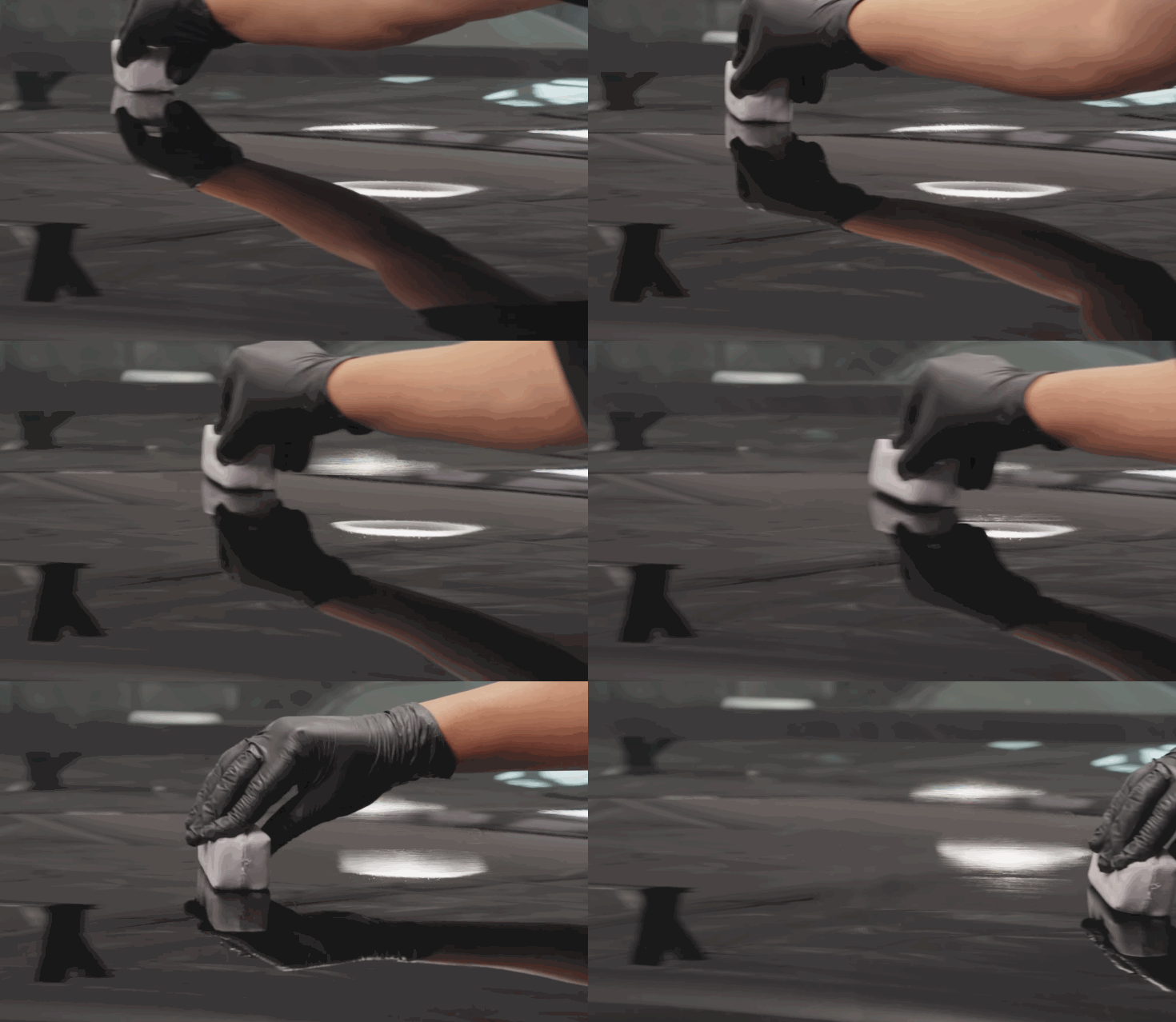 Ceramic Coating makes winter maintenance easier, not optional. That distinction matters, especially in a climate where salt exposure is constant for months at a time.
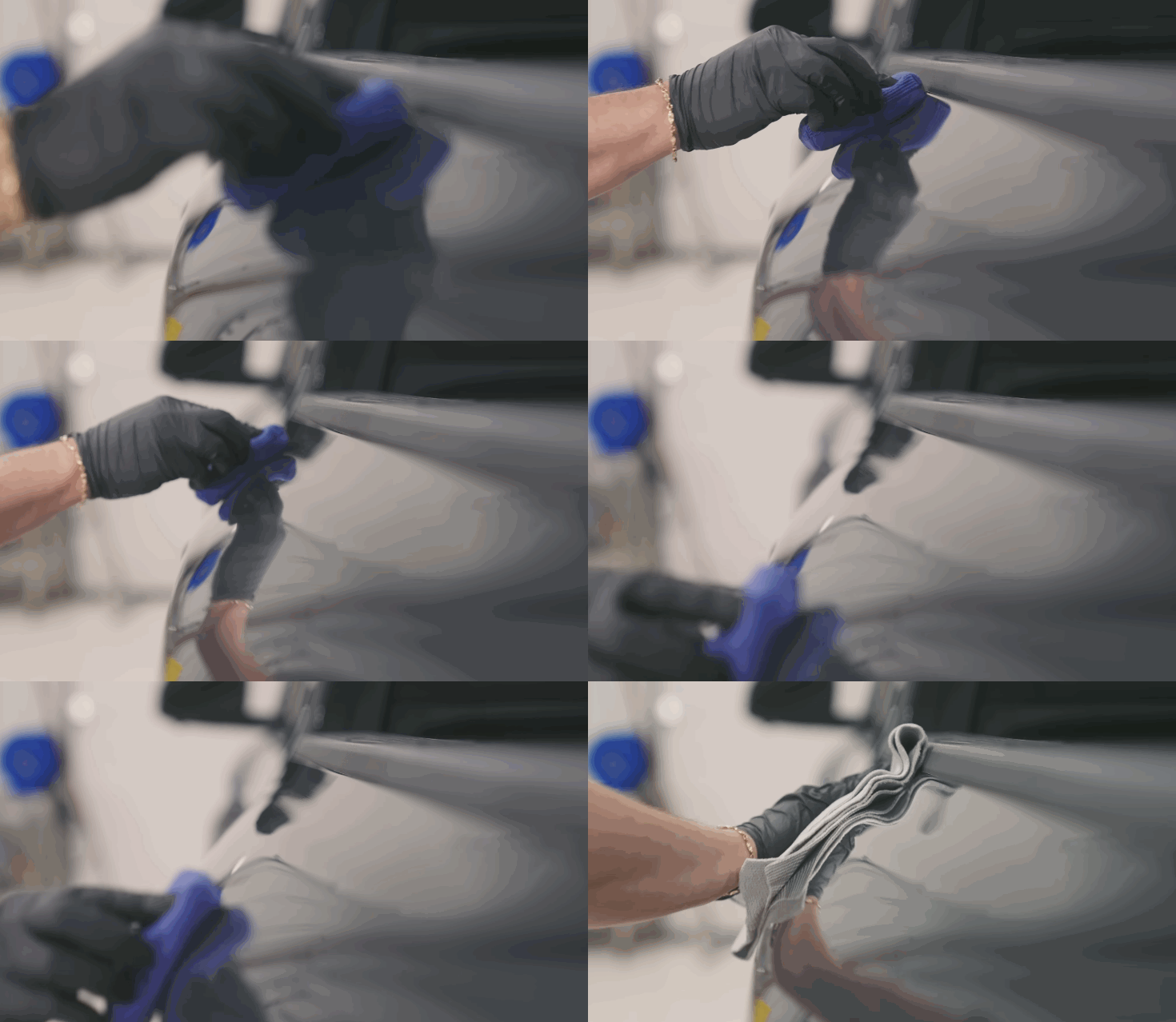
During winter, a ceramic coated vehicle still benefits from regular washing to remove salt residue before it has time to concentrate. The advantage is that washing becomes less labor-intensive. Contaminants release more easily, and surfaces rinse cleaner with less effort.
Winter maintenance expectations should be realistic:
In Wisconsin, where temperatures fluctuate and road conditions change quickly, maintenance consistency matters more than perfection. Ceramic Coating helps drivers keep up with winter care without turning every wash into a battle against embedded grime.
Whether Ceramic Coating makes sense depends on how a vehicle is used and stored. Daily drivers that see winter highways, long commutes, and outdoor parking face far more exposure than seasonal or garage-kept vehicles.
Factors worth considering include vehicle age, how long you plan to keep it, and how much winter driving it actually sees. For many Wisconsin drivers, Ceramic Coating becomes less about aesthetics and more about preserving paint condition through repeated winters.
We always encourage honest evaluation rather than one-size-fits-all recommendations. At Carisma Customs, our role is to help drivers understand how Ceramic Coating fits their real-world driving patterns and winter exposure, not to push a universal solution. When applied properly and maintained realistically, Ceramic Coating remains one of the most practical tools for protecting vehicles in Wisconsin conditions.
When it comes to Ceramic Coating, local experience matters more in Wisconsin than in many other regions. Winter conditions here are not generic. Road treatments vary by municipality, temperatures swing rapidly, and seasonal damage patterns repeat year after year. An installer who works in this environment understands how those factors affect coating performance long after application.
Familiarity with Wisconsin road salt blends, prolonged cold exposure, and repeated freeze-thaw cycles directly influences how a ceramic coating application is planned and executed. From surface preparation timing to curing considerations, local knowledge helps avoid issues that might not appear in milder climates.
Just as important is communication and inspection. A professional installer should set realistic expectations, evaluate the vehicle honestly, and explain how Ceramic Coating will perform based on actual use rather than ideal conditions. Clear inspection standards and transparency build trust, especially when winter exposure is unavoidable.
At Carisma Customs, we approach Ceramic Coating from that exact perspective. Working on Wisconsin vehicles every season gives us firsthand insight into how coatings hold up, where they need support, and what drivers can realistically expect over time.
Ceramic Coating plays a valuable role in protecting automotive paint from Wisconsin road salt when it is applied correctly and maintained realistically. By reducing salt adhesion and supporting easier cleaning, it helps slow the chemical wear that builds up during long winter months.
Results are never based on the product alone. Installation quality, ongoing maintenance, and real-world driving habits all influence how well Ceramic Coating performs. In a state where winters are long and road treatment is aggressive, those factors matter even more.
From personal experience, Ceramic Coating is not about perfection. It is about control. It gives you a better starting point every spring and helps your vehicle age more consistently despite harsh conditions. Year after year, that difference becomes noticeable.
For Wisconsin drivers looking to make informed decisions about winter paint protection, Carisma Customs remains a local expert you can consult with confidence.