
 For many Wisconsin drivers, protecting a vehicle often starts with paint, tires, or regular maintenance. The windshield usually gets attention only after damage appears. From our experience working with vehicles across the state, windshield protection is far less about luxury and far more about practicality. It is a preventative decision rooted in how and where people actually drive every day.
Living and driving in Wisconsin means dealing with constant seasonal changes. Long winters, frequent road treatment, loose gravel in spring, and wide temperature swings all take a toll on glass surfaces. Even during warmer months, highway driving, construction zones, and rural roads expose windshields to repeated minor impacts that quietly weaken the glass over time.
As a team that uses this type of protection on our own vehicles, we approach this topic with honesty rather than hype. This is not about claiming that every driver must have it. It is about explaining when it makes sense, what it realistically does, and where it truly adds value. The goal here is a clear, experience-based evaluation, not a sales pitch.
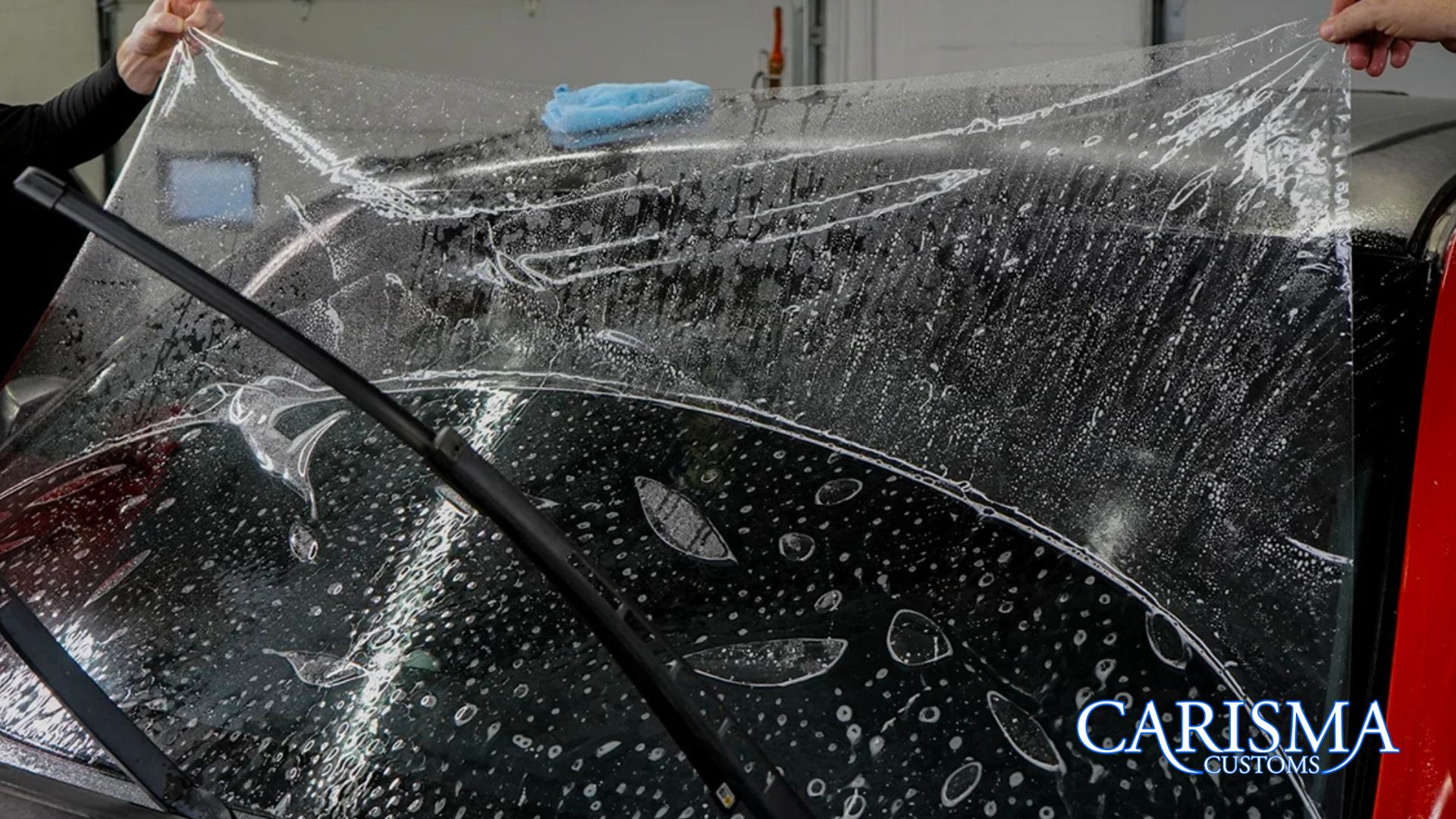
Windshield protection film is a clear, optically transparent layer applied directly to the exterior surface of the windshield. Its purpose is simple: to act as a sacrificial barrier that absorbs impacts before they reach the glass underneath.
Rather than stopping damage entirely, the film works by dispersing energy. When small rocks, road debris, or gravel strike the windshield, the film helps reduce the force transferred to the glass surface. Over time, this can significantly reduce chips, pitting, and surface wear.
To clarify how this differs from other options, it helps to break it down:
This type of film is built for real-world driving. It is designed with daily commuting, highway speeds, weather exposure, and unpredictable road conditions in mind. It is not a cosmetic upgrade. It is functional protection meant to perform under less-than-ideal conditions.
Wisconsin roads create a unique environment for windshield damage. The combination of climate, road maintenance practices, and driving patterns makes glass far more vulnerable than many drivers realize.
Whether driving on major interstates, commuting daily through suburban areas, or traveling rural routes, windshields are exposed to repeated micro-impacts. These are often invisible at first. Over time, however, they create surface pitting that reduces clarity, increases glare, and makes the glass more prone to cracking from a single larger hit.
It is important to understand that windshield damage rarely comes from one dramatic event. In Wisconsin, it is usually the accumulation of many small impacts combined with temperature stress. Recognizing this pattern helps drivers make informed decisions based on education rather than fear.
 The value of windshield protection becomes clearer when expectations are realistic. This is not about making a windshield indestructible. It is about reducing wear and extending usable life.
From our experience, the most noticeable benefits include:
By preserving the surface of the glass, windshield protection helps maintain consistent visibility over long-term ownership. This matters in Wisconsin, where snow, rain, and low-angle winter sun already challenge driver visibility.
The real value shows up gradually. Instead of focusing on appearance, the benefit is fewer repairs, fewer distractions while driving, and less stress about every piece of debris kicked up on the road. Over time, that practical protection outweighs any short-term aesthetic considerations.
When viewed this way, windshield protection fits naturally into a long-term ownership mindset, especially for drivers who rely on their vehicles year-round in Wisconsin’s demanding driving environment.
Windshield protection is not a one size fits all solution, and we are upfront about that with every driver we speak with. The real value depends on how a vehicle is used day to day, not just on what it looks like parked in the driveway.
From our experience working with Wisconsin drivers, it helps to step back and consider a few practical factors before deciding.
Drivers who rack up miles year round tend to see the most benefit. Long highway commutes, regular travel through construction zones, and driving behind larger vehicles all increase the number of small impacts a windshield takes. Trucks and SUVs, which sit higher and often travel on mixed road surfaces, are also more exposed to debris kicked up at windshield level.
Parking habits matter as well. Vehicles parked outdoors during Wisconsin winters experience more temperature stress on the glass, which makes even minor chips more likely to spread. Windshield protection becomes a practical layer of defense in these situations, especially when long term ownership and reduced repair interruptions are the goal.
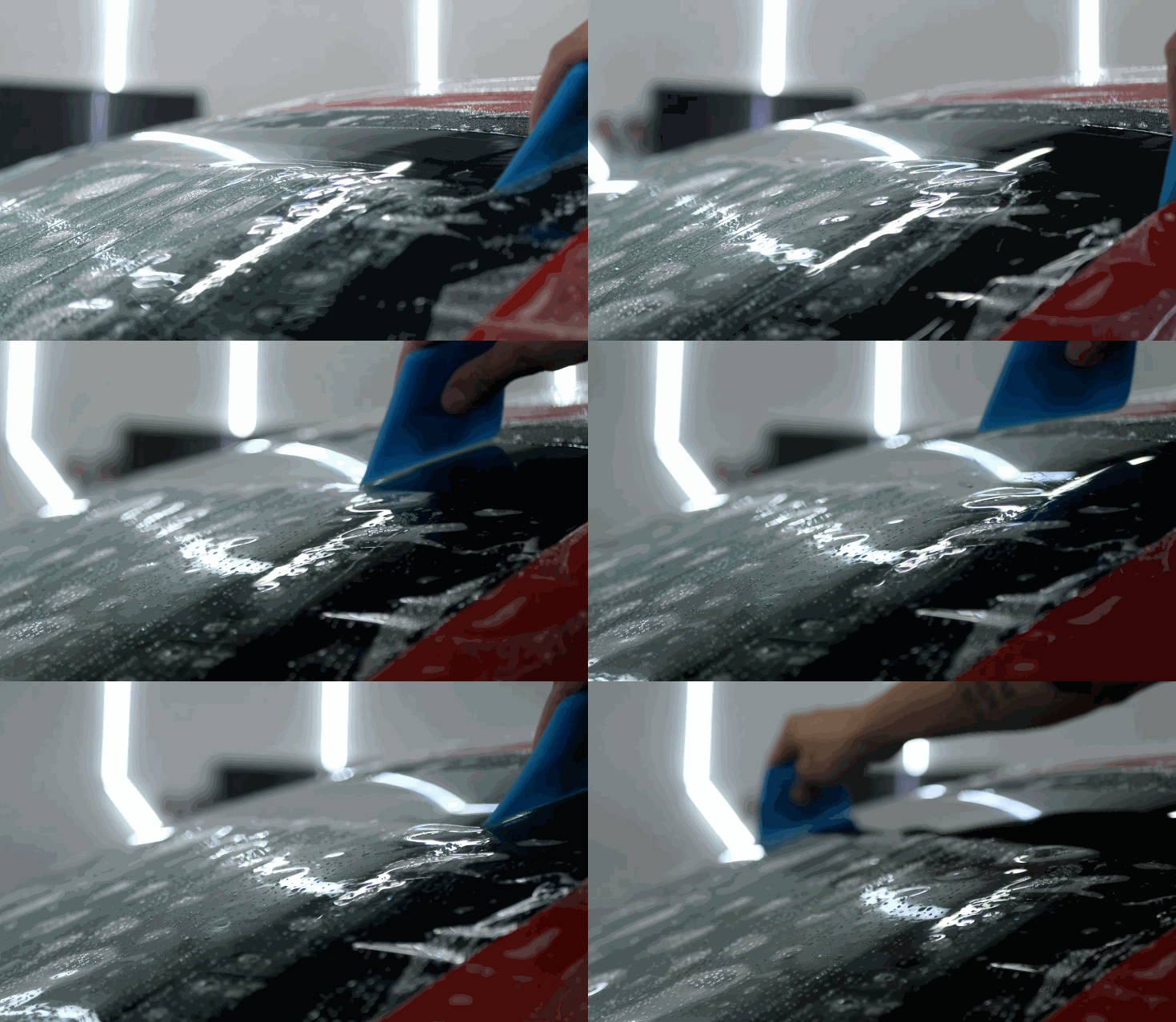
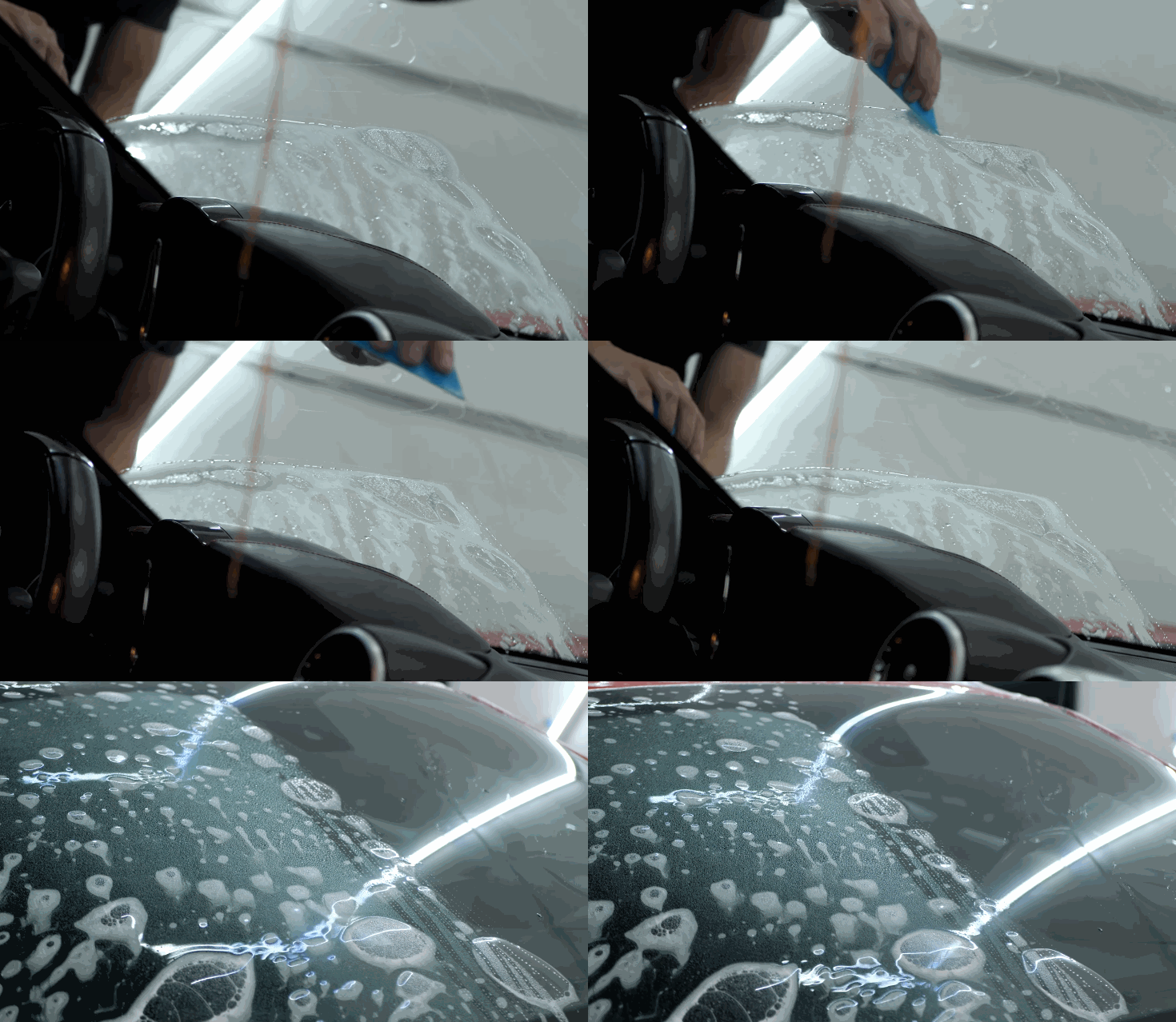
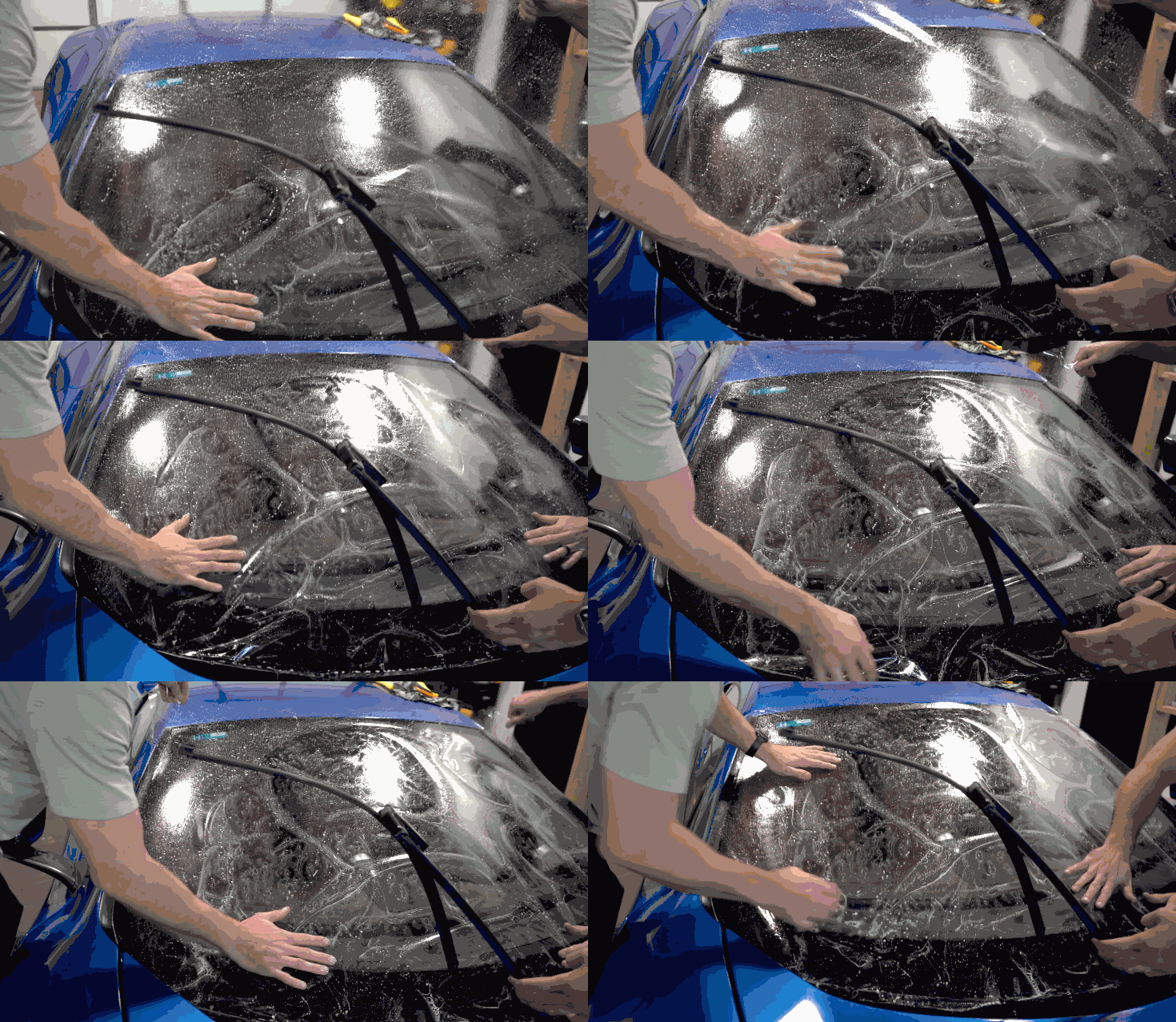
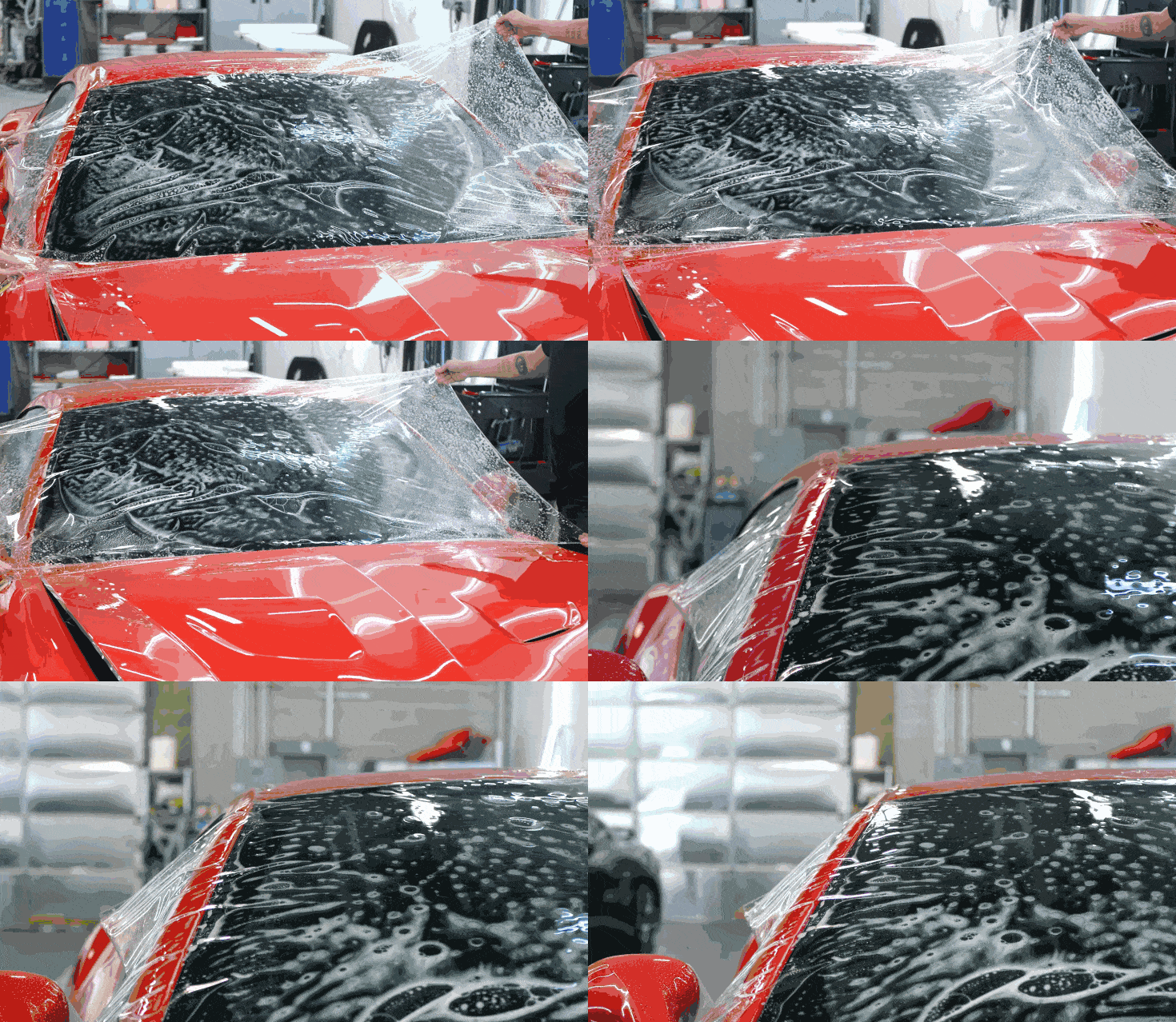 The performance of windshield protection depends heavily on how it is installed. The material itself is only part of the equation. Installation quality directly affects clarity, durability, and how well the film holds up under real driving conditions.
A proper installation starts with thorough surface preparation. The windshield must be cleaned and inspected to ensure there are no contaminants trapped beneath the film. Alignment also matters. When the film is correctly positioned and applied evenly, it performs as intended without distracting edges or distortion.
Poor installation can reduce effectiveness in several ways:
That is why working with experienced installers familiar with Wisconsin conditions is critical. Temperature changes, humidity, and seasonal driving patterns all influence how the film behaves over time. At Carisma Customs, we approach installation with those local realities in mind because we see the difference it makes long term. This is also something the Carisma Custom team emphasizes when evaluating whether protection makes sense for a specific vehicle.
One of the most common concerns we hear is about visibility. In real world use, professionally installed windshield protection does not interfere with clarity. From our own experience driving in snow, rain, and low light conditions, the film remains virtually unnoticeable once installed correctly.
Durability is another frequent question. Windshield protection is designed to take wear so the glass does not. Over time, the film may show signs of impact or surface wear, which is expected. That wear indicates it is doing its job. Lifespan varies based on driving habits, mileage, and exposure, but realistic expectations help drivers make confident decisions.
Maintenance is often simpler than people expect. There is no complex upkeep or special routine required. The key is understanding that this is functional protection, not a cosmetic coating. At Carisma Customs, we focus on transparency when discussing these points, and the Carisma Custom approach has always been to guide drivers toward informed choices rather than assumptions.
Selecting the right shop matters just as much as choosing the product itself. A qualified local provider brings insight that cannot be replicated by generic recommendations.
 When evaluating a shop, it is worth looking for:
Familiarity with winter road treatment, gravel exposure, and temperature swings allows a shop to give advice that actually applies to Wisconsin drivers. At Carisma Customs, windshield protection is discussed as part of a broader vehicle care strategy, not as an isolated add on. The Carisma Custom team prioritizes clarity and local experience, helping drivers decide if protection fits their specific needs rather than pushing a universal solution.
Choosing a knowledgeable local shop ultimately leads to better results, better expectations, and long term confidence in the decision.
For Wisconsin drivers, windshield protection comes down to practicality. Between winter road treatment, loose gravel, frequent construction zones, and constant temperature swings, windshields take consistent abuse throughout the year. The real value of windshield protection is not about eliminating every possible chip, but about reducing long term wear, preserving visibility, and avoiding repeated repairs that interrupt daily driving.
Whether this type of protection makes sense depends on how you use your vehicle. Mileage, commute length, parking habits, and the roads you travel all play a role. Drivers who spend a lot of time on highways, rural routes, or driving year round in changing weather tend to see the greatest benefit. When expectations are realistic, windshield protection becomes a smart preventative measure rather than an unnecessary upgrade.
Speaking from experience, having windshield protection on our own vehicles has changed how we think about glass care in Wisconsin. It adds confidence behind the wheel, especially during winter months and long drives, knowing that the windshield has an added layer designed to handle everyday impacts.
At Carisma Custom, we approach windshield protection with that same mindset. If you are considering this option and want an honest, local perspective, reach out to us for a free quote and consultation. We are always happy to talk through your driving habits, answer questions, and help you decide if this type of protection fits your vehicle and your expectations.
Ultimately, windshield protection is about making informed choices that align with Wisconsin’s real driving environment. When it fits your needs, it is a decision that delivers long term peace of mind and practical value, backed by experience rather than hype.