
 One of the most common concerns we hear from drivers across Wisconsin is whether Ceramic Coating can really hold up during winter. Snow-covered roads, constant salt exposure, and freezing temperatures make winter driving tough on any vehicle surface.
We always approach ceramic coating as a long-term protection decision, not something meant to work only in perfect weather. Its value isn’t limited to summer months, it’s designed to help vehicles handle year-round exposure when expectations are set correctly.
Wisconsin winters bring a combination of snow, slush, road salt, and repeated freeze-thaw cycles. These conditions don’t make ceramic coating ineffective, but they do change how maintenance should be approached. In this article, we’ll share practical, experience-based insights into what ceramic coating needs during winter, keeping the focus realistic and informative rather than sales-driven.
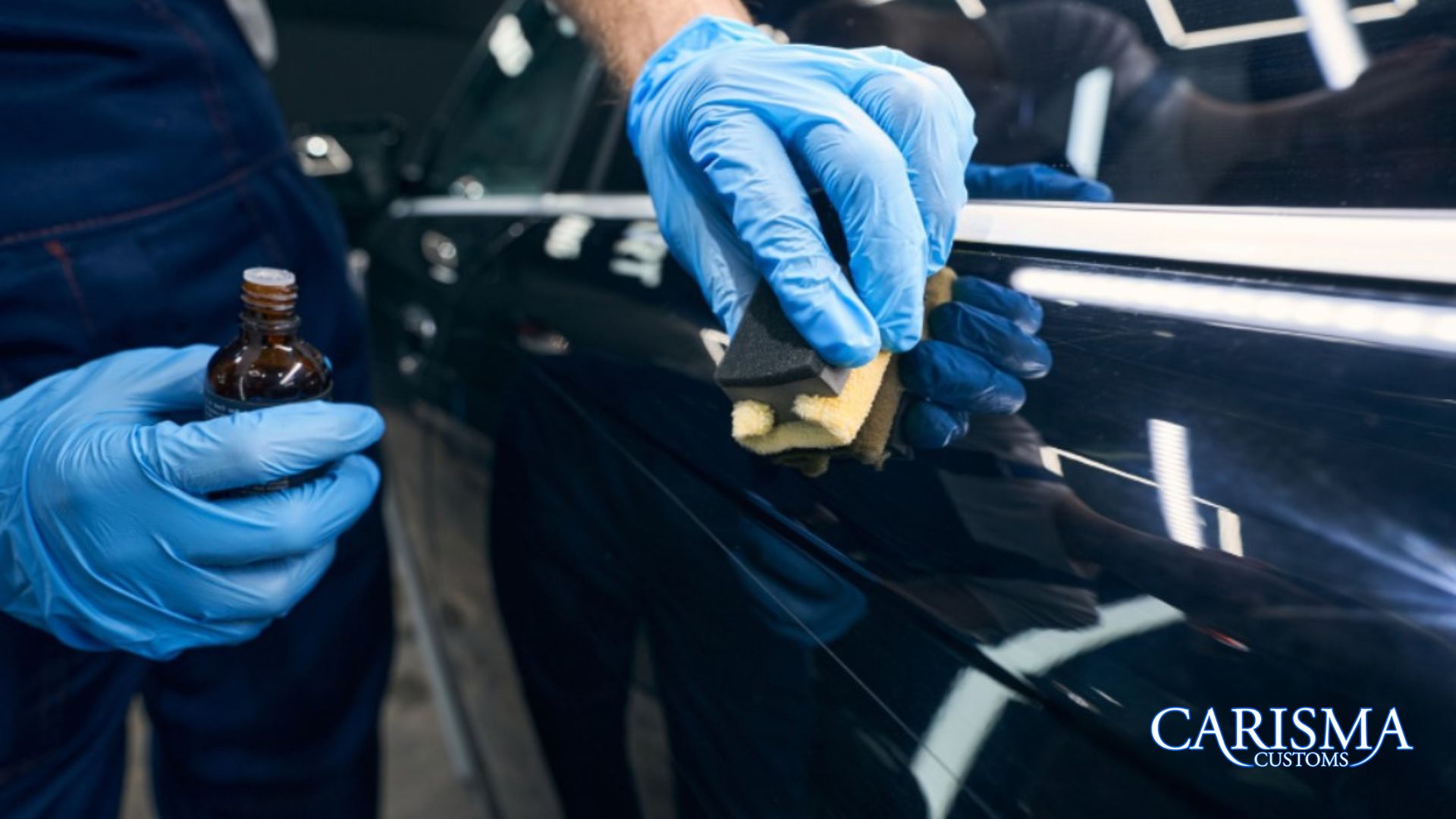
Ceramic Coating is a liquid-applied protective layer that chemically bonds to a vehicle’s paint. Once cured, it creates a durable surface that helps resist environmental contamination and makes the vehicle easier to maintain.
At a high level, ceramic coating protects by reducing how strongly contaminants bond to the surface. This applies to winter conditions just as much as summer ones, although its role is often misunderstood.
In practical terms, ceramic coating is designed to:
It’s important to understand what ceramic coating can and cannot do. It doesn’t make a car immune to winter damage, but it does make managing winter exposure easier when paired with proper care. That clarity helps set realistic expectations throughout the colder months.
Cold temperatures, snow, and ice don’t damage Ceramic Coating directly, but they do increase the amount of contamination a vehicle is exposed to. Salt and chemical deicers are particularly aggressive during Wisconsin winters and tend to accumulate quickly on vehicle surfaces.
Urban driving and highway commuting across Wisconsin both contribute to this buildup. Whether the vehicle is navigating city streets or longer highway routes, exposure is consistent and unavoidable throughout the season.
Because of that, winter driving naturally increases the need for proper maintenance. From our experience at Carisma Customs, vehicles that receive consistent winter care maintain their ceramic coating performance far better than those left untreated for long stretches. Winter doesn’t defeat ceramic coating, but it does demand more attention.
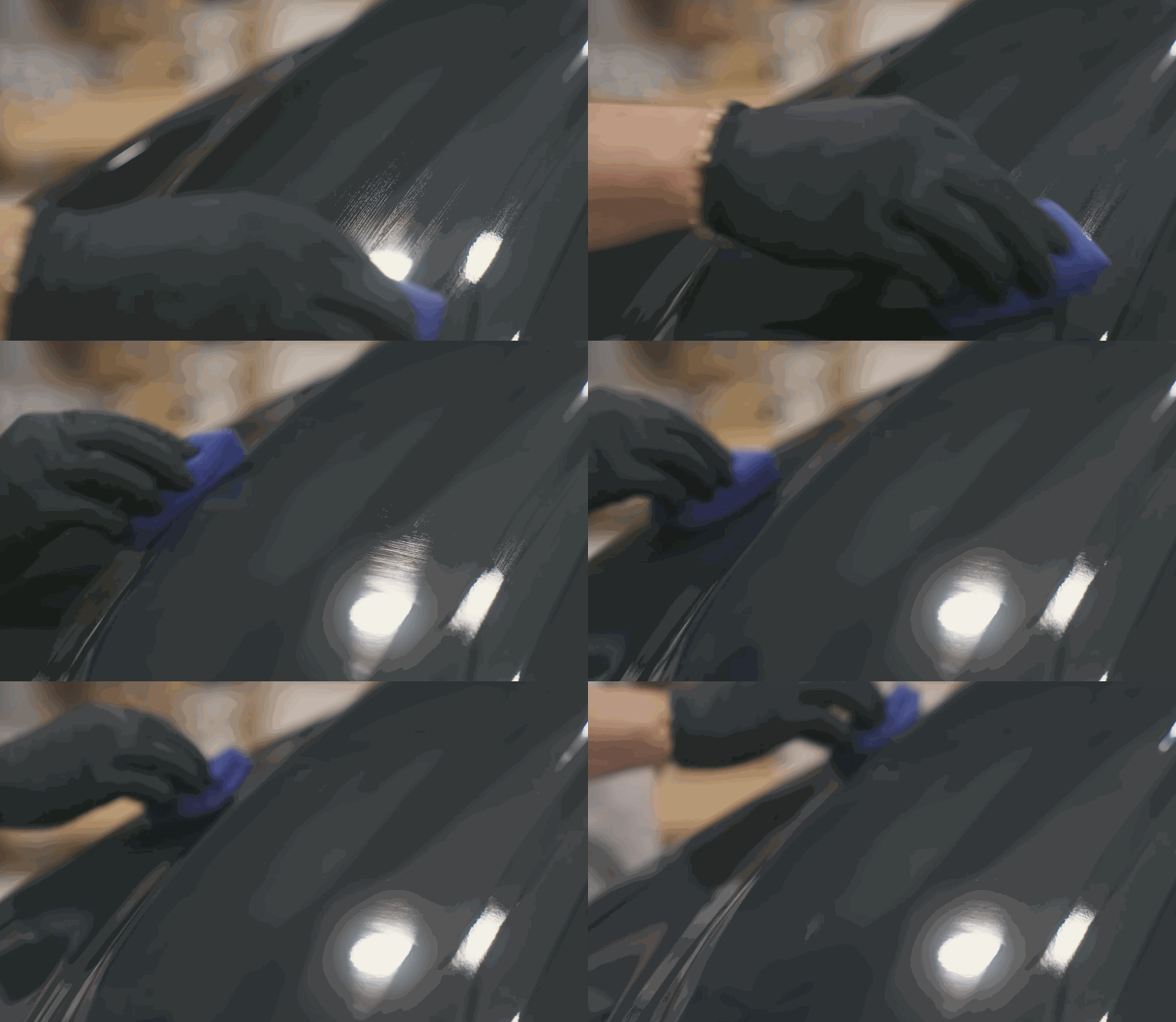
The way a ceramic coating application is performed has a direct impact on how the coating performs in winter conditions. Proper surface preparation, correct curing, and strong bonding all play a role in durability.
When application is rushed or shortcuts are taken, coatings may not bond as intended. That can lead to reduced longevity or uneven performance, especially when exposed to winter stressors like salt and freezing temperatures.
From a process-driven standpoint, winter performance starts long before the first snowfall. At Carisma Customs, we focus on correct application methods because a well-installed coating is far better equipped to handle Wisconsin’s winter environment without unnecessary degradation.
Maintenance becomes especially important once winter sets in. Ceramic Coating doesn’t eliminate the need for care, but it does make winter maintenance more manageable when approached correctly.
Safe washing and regular attention help prevent prolonged exposure to salt and grime. From experience, winter car care doesn’t need to be complex, it just needs to be consistent and mindful of the conditions.
Some general winter maintenance principles include:
When these habits are in place, ceramic coating maintenance during winter helps preserve the coating’s performance and extends its overall lifespan.
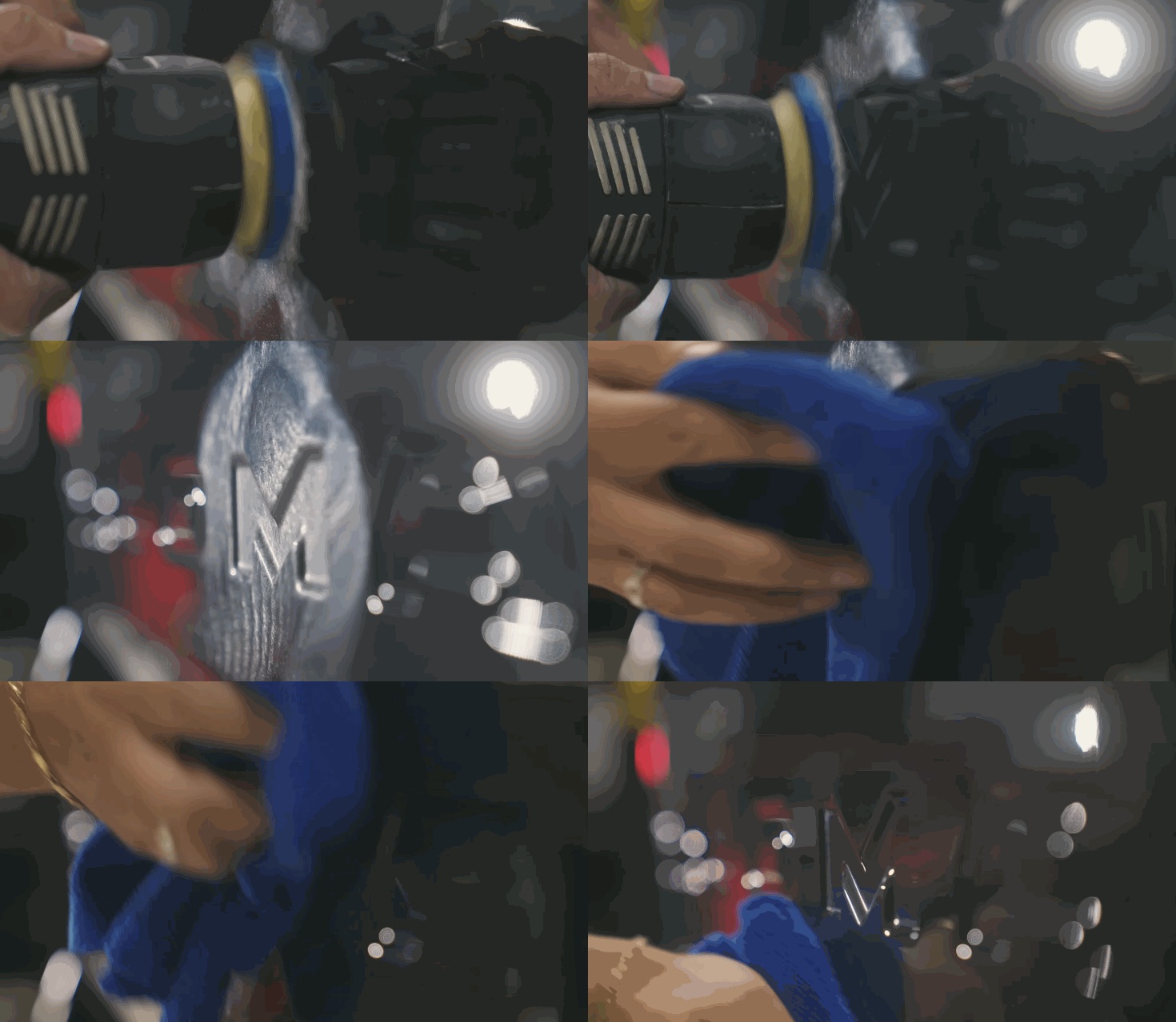 Our approach to Ceramic Coating maintenance starts with a conversation. A consultation-first mindset allows us to understand how each vehicle is used throughout the year and what kind of winter exposure it will realistically face.
Education and expectation-setting are key, especially in a climate like Wisconsin’s. Winter care looks different here than in warmer regions, so guidance needs to reflect snow, salt, freezing temperatures, and limited washing windows. That’s why our recommendations focus on practical, achievable habits rather than ideal conditions.
From our experience at Carisma Customs, year-round maintenance works best when it’s tailored to local conditions. Our guidance typically focuses on:
The goal is always long-term performance through informed care, not pushing unnecessary services.
When viewed from a year-round ownership perspective, Ceramic Coating continues to make sense even during Wisconsin winters. The value isn’t tied to perfect weather, but to how well a vehicle is protected and maintained over time.
Winter maintenance plays a direct role in preserving appearance and simplifying cleaning. A coated surface resists buildup more effectively, which makes winter grime easier to manage and reduces how much effort is required to keep the vehicle in good condition.
Rather than a fair-weather solution, Ceramic Coating and proper ceramic coating application function as a long-term protective investment. When paired with realistic winter care, the coating continues to deliver value well beyond the cold months without relying on ideal conditions.
Wisconsin winters introduce challenges that every vehicle owner has to manage, and Ceramic Coating is no exception. Snow, salt, and freezing temperatures increase exposure, which makes proper care and realistic expectations more important than ever.
A high-quality ceramic coating application, combined with informed winter maintenance, allows the coating to perform as intended throughout the season. When installation and care work together, ceramic coating remains a reliable layer of protection, even in harsh winter conditions.
If you want to make sure your ceramic coating is set up for success this winter, reach out to Carisma Customs. Contact us today to talk about Ceramic Coating maintenance in Wisconsin and how we can help protect your vehicle year-round.