
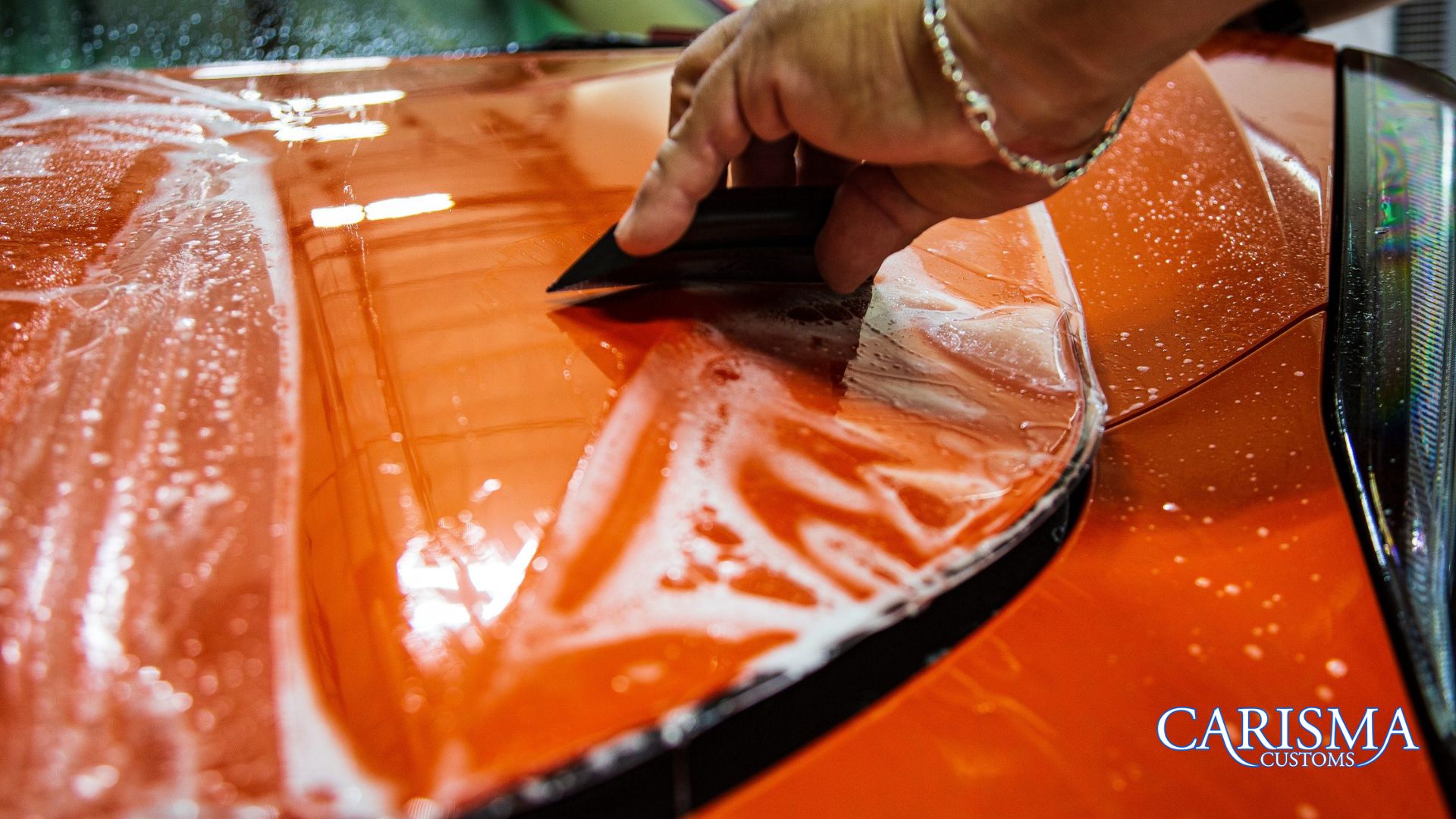
If you have never seen it up close, Paint Protection Film might seem surprisingly simple. It’s a transparent urethane film applied directly over painted surfaces to create a protective shield against everyday driving damage. However, modern protective film technology has evolved significantly over the years, making it one of the most effective forms of vehicle paint protection available today.
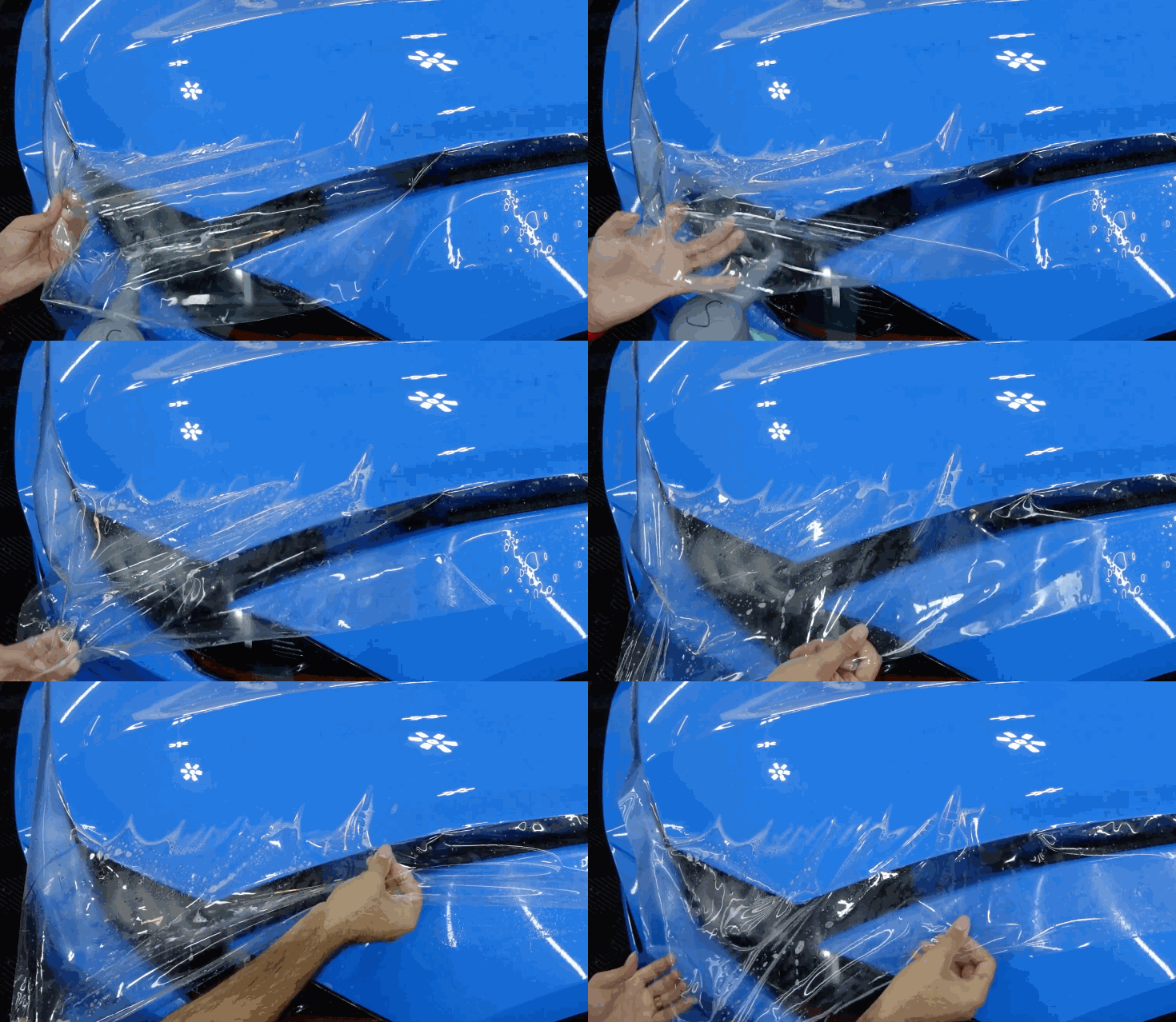 High-quality films are engineered to absorb small impacts from road debris, resist staining, and protect against contaminants like bug splatter, road tar, and salt residue. Instead of these elements damaging your clear coat, the film takes the hit first, preserving the paint underneath.
Some of the most valuable features of modern Paint Protection Film include:
These protective film technologies make a noticeable difference for drivers who spend a lot of time on the road. Whether commuting across Milwaukee suburbs or taking longer drives across Wisconsin highways, having that extra layer of protection helps maintain the vehicle’s original finish.
Of course, the film itself is only part of the equation. Proper PPF installation plays a major role in how well the film performs and how long it lasts. Surface preparation, precise alignment, and controlled installation environments are essential to ensure the film bonds correctly and remains nearly invisible once applied.
Here at Carisma Customs, we always emphasize that quality installation is just as important as the material itself. When done properly, Paint Protection Film becomes one of the most reliable long-term paint protection solutions available for Wisconsin drivers who want to keep their vehicles looking their best.
When we talk with customers about where to apply Paint Protection Film, the conversation almost always starts with the front of the vehicle. The front bumper and hood take the majority of the impact from road debris, making them the most important areas to protect.
As your car moves forward, these surfaces are the first point of contact for rocks, gravel, insects, and road contaminants. Over time, even small impacts can create paint chips that slowly accumulate and affect the overall appearance of the vehicle.
Front end PPF installation is one of the most common paint protection solutions because it focuses on the areas that face the most direct exposure.
Some of the most common PPF coverage areas on the front of the vehicle include:
Protecting these areas with Paint Protection Film helps prevent the small chips and scratches that can appear after months of highway driving. Instead of damaging the paint, the film absorbs the impact and preserves the vehicle’s original finish.
Over time, this type of front end protection plays a big role in maintaining the appearance of the vehicle. For drivers who spend a lot of time commuting or traveling across Wisconsin highways, protecting the front of the car is often the smartest first step.
While the front of the vehicle gets most of the attention, there are several smaller areas that also experience constant impact from road debris. Side mirrors, fender edges, and rocker panels are particularly vulnerable because of their position along the sides of the vehicle.
These surfaces often get hit by debris thrown upward by your own tires or by vehicles driving nearby. Over time, that repeated exposure can cause small chips, scuffs, and paint wear that slowly affect the vehicle’s appearance.
Applying Paint Protection Film to these sections creates an extra layer of protection that helps reduce that type of damage. Even though these areas are smaller, they benefit greatly from protective film coverage.
Common side-area protection zones include:
These areas are often overlooked, but they play a significant role in long-term paint preservation. Protecting them helps maintain a cleaner, more consistent finish across the entire vehicle.
When customers visit us at Carisma Customs, we usually walk through these coverage areas together and discuss how different driving habits affect paint wear. Every driver is different, and choosing the right protective film coverage often depends on how and where the vehicle is used most frequently.
Not all paint damage comes from the road. Some of the most common scratches actually happen during everyday use when getting in and out of the vehicle. Door edges and door handle cups are perfect examples of these high-contact areas.
Every time a door is opened, the edge of the panel risks contacting nearby objects like walls, garage structures, or other vehicles in tight parking spaces. Over time, these small impacts can chip the paint along the door edges.
Door handle cups also experience constant wear. Fingernails, keys, and rings can easily leave small scratches in the paint surrounding the handle.
A targeted PPF installation in these areas helps prevent that kind of cosmetic damage. Paint Protection Film acts as a durable barrier that absorbs light contact before it reaches the paint.
Common high-touch protection areas include:
Protecting these areas may seem like a small detail, but it plays an important role in overall vehicle paint protection. These small surfaces are often the first places where signs of wear begin to appear.
By applying scratch protection film to these high-contact areas, drivers can maintain the clean, polished look of their vehicle for much longer, especially when the car is used daily for commuting, errands, and travel across Wisconsin.
When considering Paint Protection Film, one of the most common questions drivers ask is how much coverage they actually need. Not every vehicle requires the same level of protection, and choosing the right option often depends on driving habits, road conditions, and how long you plan to keep the vehicle.
In most cases, PPF coverage falls into three main categories, each designed to protect different parts of the vehicle depending on the level of exposure.
For drivers who regularly travel long distances across Wisconsin highways, full front PPF tends to be one of the most practical vehicle protection solutions. It protects the areas that face the most direct impact from road debris while keeping costs manageable.
At Carisma Customs, we usually walk customers through these options during the consultation process. Factors like how often the vehicle is driven, whether it’s used for commuting on I-94 or weekend drives through Waukesha County, and long-term ownership plans all help determine the best protection strategy.
The goal is always the same: choose the right coverage to maximize protection while keeping the investment practical.
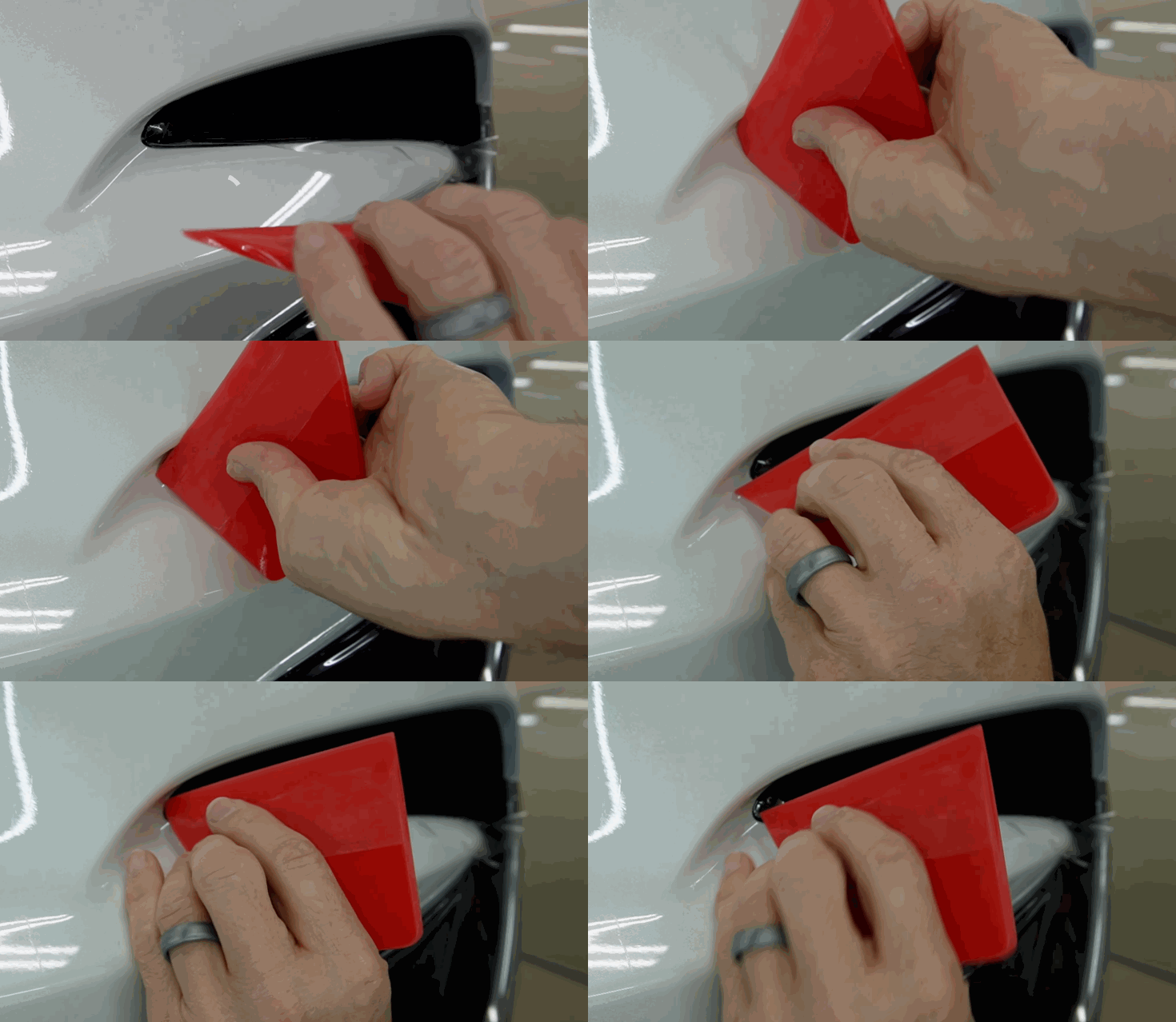 While the quality of the film itself is extremely important, the success of any PPF installation ultimately depends on how well it is applied. Installing Paint Protection Film is a highly detailed process that requires specialized tools, proper preparation, and experienced hands.
Before the film is ever applied, the vehicle surface must be thoroughly cleaned and decontaminated. Even tiny particles trapped under the film can affect adhesion and appearance. Installers also work in controlled environments where dust and contaminants are minimized, helping ensure a smooth and precise paint protection film installation.
When installation is rushed or handled incorrectly, several problems can occur.
These issues not only affect the look of the film but can also reduce the overall effectiveness of the protection. That’s why professional PPF installation plays such a critical role in long-term vehicle protection.
At Carisma Customs, we approach every installation with careful preparation and attention to detail. Proper techniques and controlled installation environments ensure that the film sits cleanly on the paint surface and performs as intended for years.
When installed correctly, Paint Protection Film becomes one of the most reliable solutions available for preserving a vehicle’s finish.
Wisconsin roads present unique challenges for vehicle paint. From winter road salt and loose gravel to highway debris and seasonal weather changes, daily driving can slowly wear down a vehicle’s finish over time. That’s why protecting the most vulnerable areas of your car can make such a noticeable difference in maintaining its appearance.
Applying Paint Protection Film to high-impact zones like the front bumper, hood, mirrors, rocker panels, and door edges creates a durable barrier against everyday damage. A properly planned PPF installation helps shield these areas from rock chips, scratches, and environmental contaminants that commonly affect vehicles driven across Wisconsin.
Over time, protecting factory paint does more than just keep the car looking clean. It can also reduce the need for repainting, simplify maintenance, and help preserve resale value. For drivers who take pride in their vehicles, this type of long-term protection quickly proves its value.
If you’re considering Paint Protection Film for your vehicle, our team at Carisma Customs is always happy to help you explore the best protection options. Contact us today to learn more about professional Paint Protection Film installation and how we can help keep your vehicle protected for the miles ahead.