
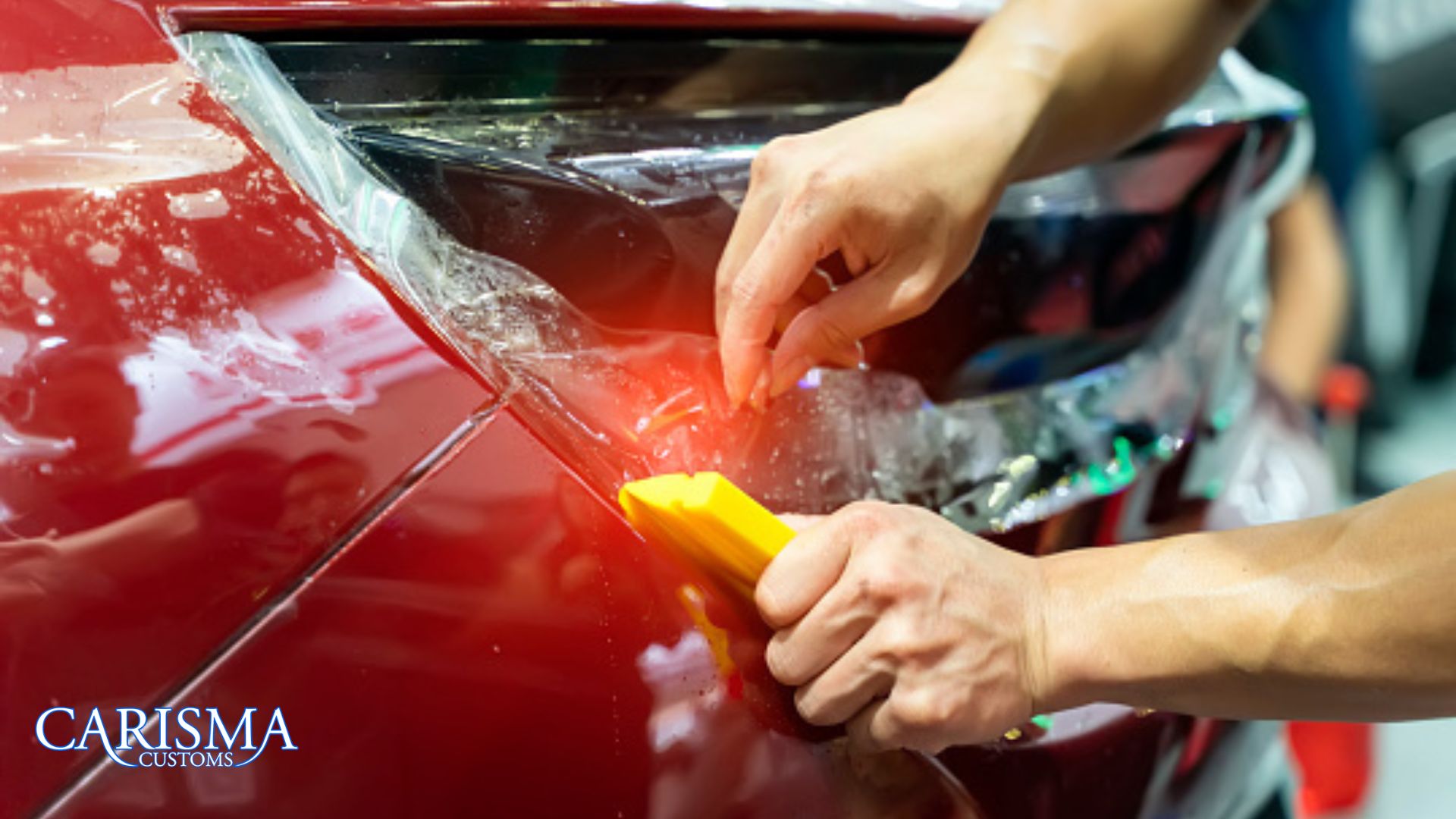
 There’s a certain feeling that comes with driving a new car off the lot. The paint looks flawless, the finish reflects everything around it, and for a moment, it feels like nothing could ever take away that “new car” look. But if you’ve owned a vehicle for any length of time, you know how quickly that changes. Preserving that original condition from day one isn’t just about appearance, it’s about protecting the investment you just made.
Here in Wisconsin, that challenge becomes even more real. Between long highway drives on I-94, daily commutes through Madison or Milwaukee, and constant exposure to changing seasons, your vehicle is facing more than just normal wear. Winter brings road salt, ice chunks, and sand. Spring introduces loose gravel and potholes. Even summer construction zones can throw debris at your paint. Over time, all of that starts to show, especially on a new vehicle that hasn’t been protected yet.
That’s where Paint Protection Film becomes part of the conversation. It’s not about making your car look different, it’s about preserving what’s already there. We often explain it as a long-term approach to maintaining your vehicle’s appearance, helping prevent the kind of damage that typically shows up within the first year of ownership.
From our perspective, this isn’t just a service we offer, it’s something we use on our own vehicles. When you’ve seen what Wisconsin roads can do to unprotected paint, you start to think differently about protection. Paint Protection Film becomes less of an upgrade and more of a practical decision if you want your car to keep looking the way it did the day you picked it up.
Paint Protection Film is a transparent, durable layer of urethane that is applied directly to your vehicle’s painted surfaces. You may also hear it referred to as a clear bra, paint protection, or surface protection film. Regardless of the name, the goal is the same, to create a barrier between your paint and everything the road throws at it.
At its core, Paint Protection Film works by absorbing impact before it reaches your paint. Instead of debris hitting your vehicle directly, it hits the film first. That layer is designed to take the damage so your paint doesn’t have to. It’s especially effective against small impacts that, over time, lead to visible wear.
To better understand what makes it effective, here are some of the key characteristics we look for when working with Paint Protection Film:
What makes this solution different from temporary products is that it’s always working. It doesn’t wash off, it doesn’t wear down after a few weeks, and it continues protecting the surface every time you drive. When properly installed, it becomes a long-term part of your vehicle’s protection strategy without changing how your car looks or feels.
If you’ve driven through a Wisconsin winter, you already understand how aggressive the environment can be on your vehicle. Road salt is one of the biggest concerns, especially in cities like Milwaukee and Madison where highways are heavily treated. That salt doesn’t just sit on the road, it gets kicked up and repeatedly hits your vehicle at speed, affecting the lower panels, bumpers, and hood.
But winter isn’t the only challenge. Throughout the year, Wisconsin drivers deal with a mix of conditions that can gradually wear down a vehicle’s finish. From rural gravel roads outside suburban areas to constant construction zones during warmer months, there’s always something making contact with your paint. Even daily highway driving increases exposure to debris, especially during longer commutes.
Some of the most common environmental factors we see affecting vehicles in this area include:
Over time, these factors add up. What starts as small, barely noticeable imperfections can quickly turn into visible wear across the front of the vehicle. That’s why many owners begin looking into Paint Protection Film early on, not after the damage is already there, but before it has a chance to happen.
Not every part of your vehicle experiences the same level of exposure. When you’re driving, airflow and road debris naturally hit certain areas more than others. These are what we refer to as high-impact zones, and they’re usually the first places where damage begins to show.
The front of the vehicle takes the majority of that impact. As you drive, debris is pushed upward and backward, making contact with leading edges and surfaces that face forward. Over time, these areas start to show signs of wear, even with careful driving.
When we talk about coverage, we typically break it down into specific areas:
From there, you can decide how much protection makes sense. Some owners choose partial coverage, focusing on the highest-risk areas, while others go with full front or even full-body coverage for complete vehicle protection film coverage. The right approach depends on how you drive, how long you plan to keep the vehicle, and how important long-term rock chip protection is to you.
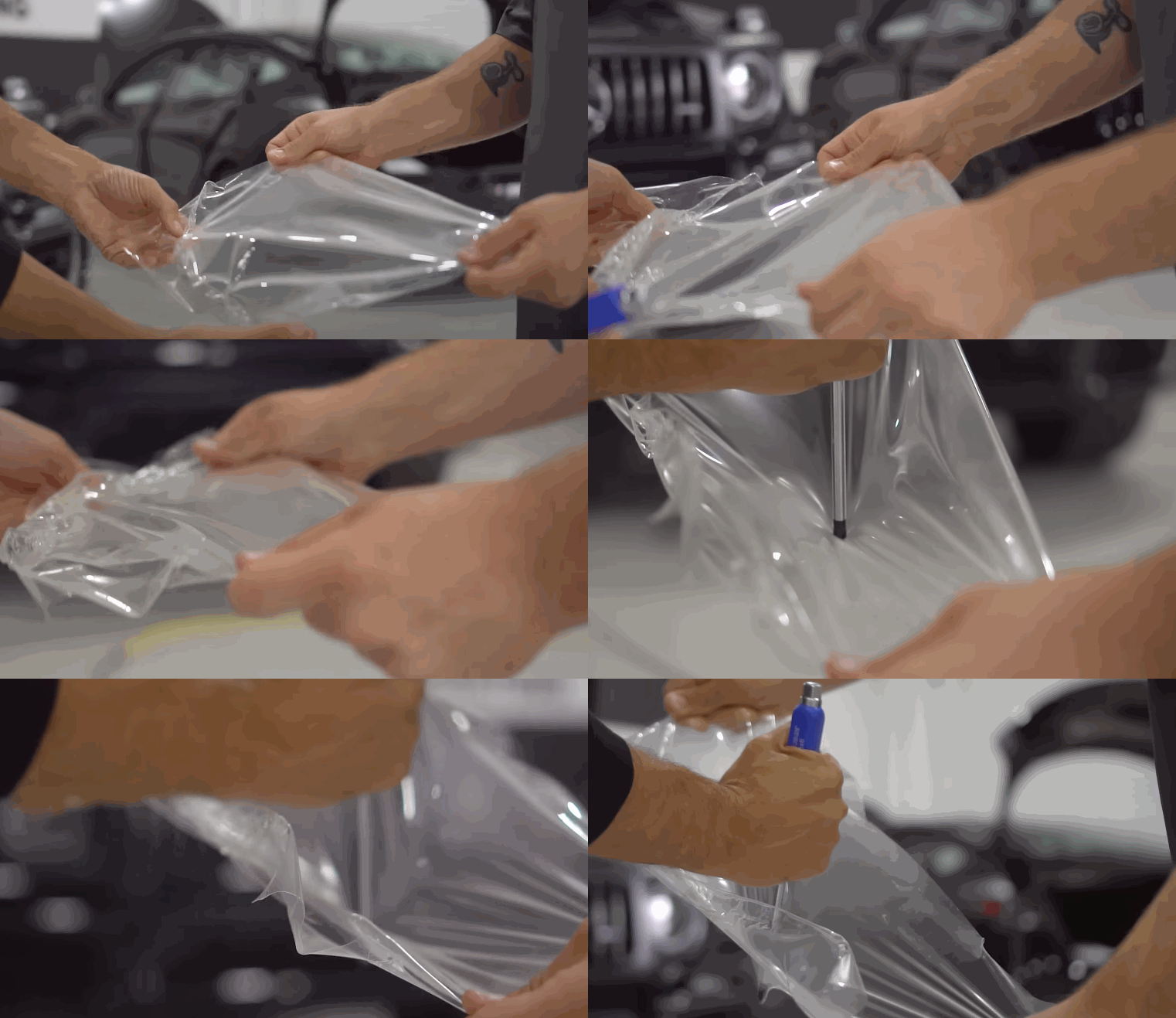 A high-quality PPF installation starts long before the film is applied. Preparation is one of the most important parts of the entire process. The surface needs to be completely clean, free of contaminants, and properly evaluated to ensure the film bonds correctly and looks the way it should once installed.
At Carisma Customs, we approach every installation with a consultation-first mindset. That means understanding how you use your vehicle, what kind of driving you do around Wisconsin, and what level of protection makes the most sense for you. From there, we can recommend coverage options that align with your goals, whether that’s focused protection or full front coverage.
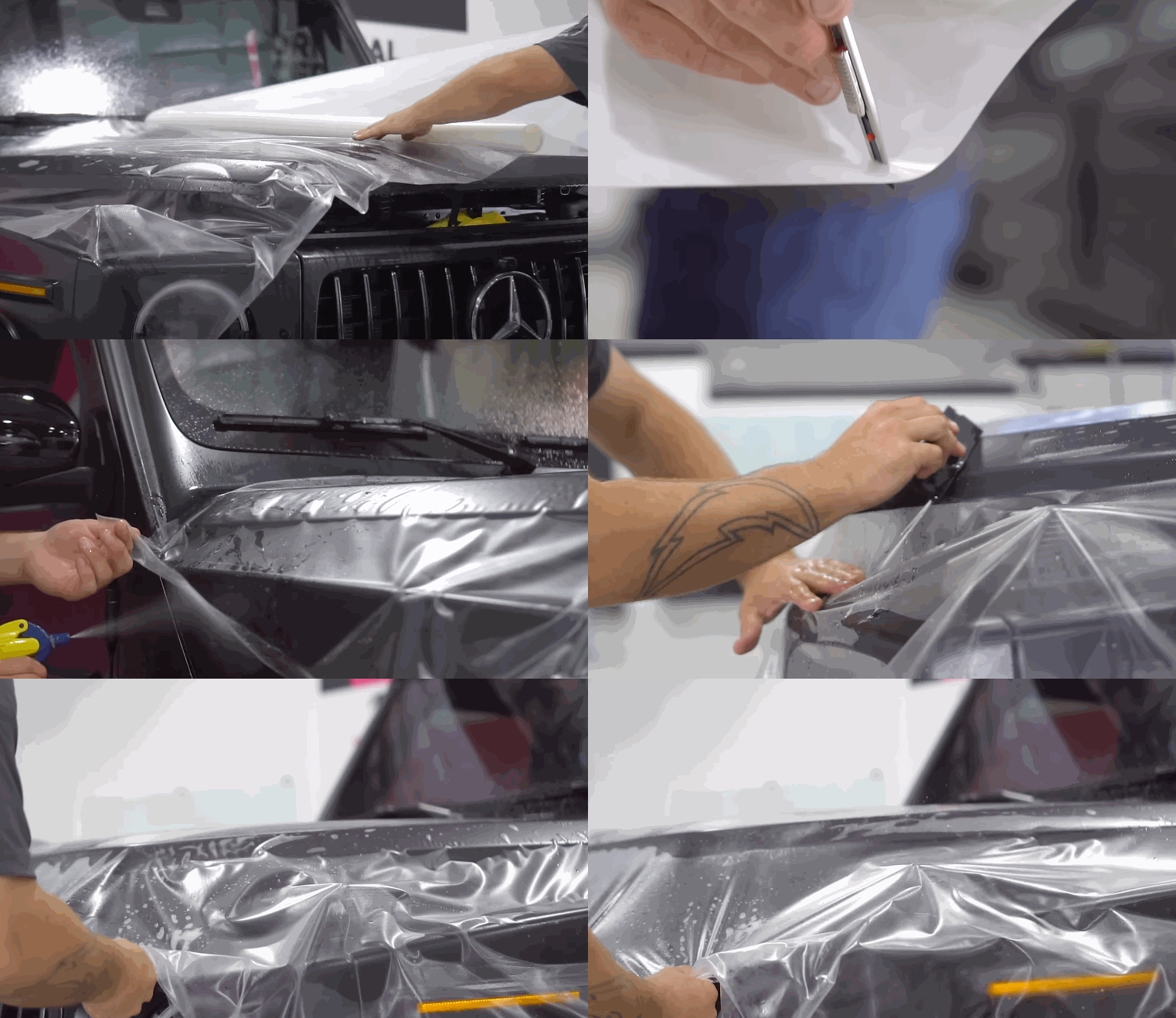
The installation process itself requires precision and a controlled environment. Dust, temperature, and lighting all play a role in how the film is applied. Every edge needs to be aligned correctly, and every surface needs to be handled with care to avoid imperfections. This isn’t a process where shortcuts work, the quality of the installation directly impacts how well the film performs over time.
PPF installation is ultimately about consistency and experience. When done correctly, the film should look nearly invisible while providing long-term protection. That’s why working with a team that understands both the material and local driving conditions makes such a difference. It’s not just about applying film, it’s about making sure it performs the way it’s supposed to every time you’re on the road.
When you look at Paint Protection Film from a long-term ownership perspective, the value becomes much clearer. This isn’t a short-term fix or a cosmetic add-on. It’s a protective layer designed to handle years of exposure to Wisconsin roads, helping your vehicle maintain its original finish in conditions that are anything but gentle.
One of the biggest advantages is durability. Unlike temporary solutions, Paint Protection Film is built to stay in place and continue protecting your vehicle over time. It absorbs the kind of repeated impact that would otherwise lead to visible damage, especially on high-exposure areas. As that protection continues to do its job, your paint underneath remains in significantly better condition.
From an ownership standpoint, that directly affects vehicle preservation and resale value. A car with fewer rock chips, less wear, and a more consistent finish tends to stand out when it comes time to sell or trade in. Buyers notice paint condition immediately, and long-term paint protection plays a bigger role in that than most people expect.
Another benefit that becomes noticeable over time is how much easier the vehicle is to maintain. With Paint Protection Film in place, you’re not constantly dealing with small imperfections or buildup that affects how your car looks between washes. Maintenance becomes more straightforward:
Over time, these small advantages add up. Instead of constantly correcting or touching up your paint, you’re preserving it. That shift in approach is what makes Paint Protection Film a long-term strategy rather than just another product.
There are plenty of ways to protect your vehicle’s paint, but not all of them operate at the same level. Wax, sealants, and other surface treatments can improve appearance and offer a degree of protection, but they don’t provide the same physical barrier that Paint Protection Film does.
The main difference comes down to durability and protection level. Waxes and sealants sit on top of the paint and gradually wear away with washing, weather, and time. They need to be reapplied regularly to maintain their effect, and even when they’re fresh, they don’t absorb impact from debris. Paint Protection Film, on the other hand, is designed to take that impact and prevent it from reaching the paint in the first place.
To put it into perspective, here’s how they compare at a high level:
That doesn’t mean short-term products don’t have a place. They can enhance gloss and provide temporary protection. But when the goal is long-term vehicle care, especially in an environment like Wisconsin, PPF installation becomes a more consistent and reliable solution.
Not every vehicle owner approaches protection the same way, and that’s something we take into account when we talk about Paint Protection Film. The decision usually comes down to how long you plan to keep your car and how important it is to maintain its condition over time.
If you’re planning to hold onto your vehicle for several years, the value of protecting the paint early becomes more obvious. The longer you drive without protection, the more exposure your vehicle has to conditions that gradually wear down the finish. Starting with protection from day one changes that dynamic completely.
Driving habits also play a role. Whether you’re commuting daily on Wisconsin highways, driving through suburban areas, or spending time on rural roads, each environment introduces a different level of exposure. Even without getting into specific scenarios, it’s clear that more time on the road generally means more opportunity for damage.
At Carisma Customs, we approach this conversation by focusing on preventative vehicle care. Instead of reacting to damage later, the goal is to reduce the likelihood of that damage happening in the first place. That shift in mindset is what makes Paint Protection Film a practical option for many new car owners who want to protect their investment from the start.
At the end of the day, protecting your vehicle comes down to how you want it to look and perform over time. Paint Protection Film offers a way to maintain that original condition, helping reduce wear, preserve your paint, and support the long-term value of your vehicle in an environment that can be tough on unprotected surfaces.
When combined with a high-quality PPF installation, that protection becomes even more effective. The material itself plays a role, but the way it’s installed is what determines how well it performs over time. That’s why working with an experienced team matters, especially in a place like Wisconsin where conditions change throughout the year.
At Carisma Customs, we focus on providing Paint Protection Film solutions that are built around real-world driving conditions and long-term ownership. If you’re thinking about protecting your new car, we’d be happy to walk you through your options and help you choose the right approach. Reach out to us today to talk about Paint Protection Film and PPF installation for your vehicle.